
RUTHERFORD COUNTY, Tenn. (WGNS News) - Middle Tennessee Electric (MTE) is preparing to launch a large-scale battery storage initiative designed to help stabilize the local power grid and combat rising energy costs... Brandon Wagner, Vice President of Strategy for MTE, told WGNS about a new partnership with MTSU's Q-RISE Center. Q-RISE is Middle Tennessee State University's Quantum Research, Interdisciplinary Science and Education Center.
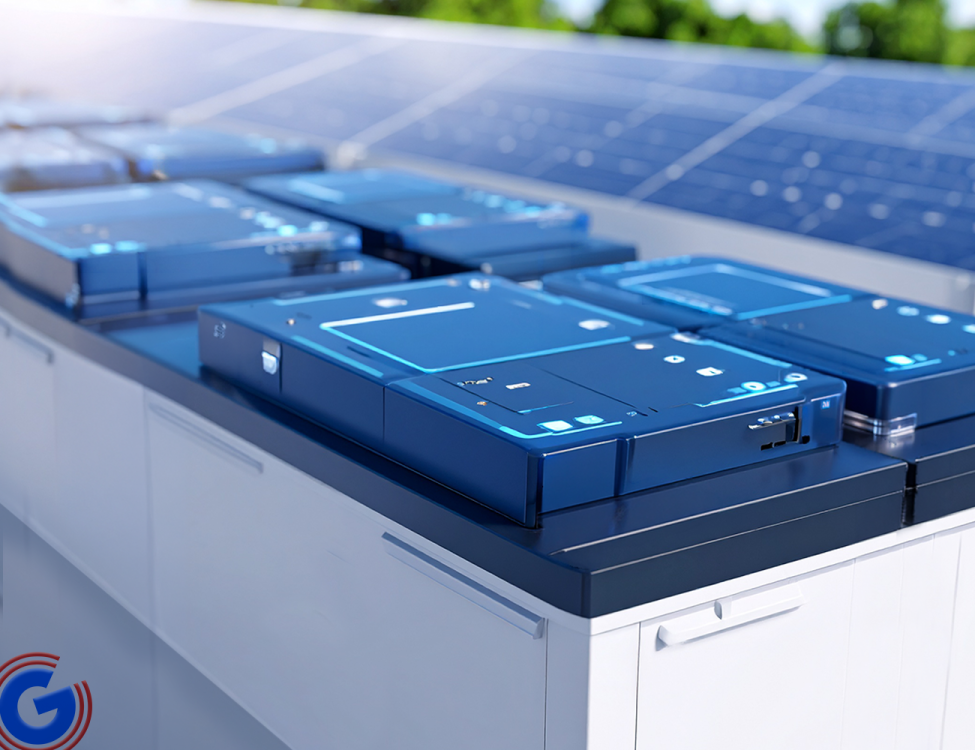
Under the partnership, MTE is implementing batteries to store electricity...These are not your basic, run-of-the-mill batteries... Again, Wagner highlighted how the utility provider is deploying four 2-megawatt batteries at four different sites, meaning each of the four sites can store 8 megawatt-hours of energy.
These distribution-scale batteries are roughly the size of a commercial tractor-trailer truck, or a common 18-wheeler one may see multiple times a day on roadways throughout the country. Each battery is specifically engineered to provide relief during times of peak electricity demand.
To give you a better idea of just how much power these four batteries can provide at each site, an 8-megawatt system represents a substantial amount of electrical capacity. However, exactly how the stored power will be utilized is still part of the puzzle that MTE and MTSU are piecing together.
Dr. Jack Villanova, Assistant Professor of Physics and Associate Director of Research for MTSU's Q-RISE Center, stated... He discussed how the partnership between the university and MTE is taking quantum research out of the laboratory and putting it into real-life use...
These new batteries possess "grid-forming" capabilities. This means that if a local area loses its TVA feed, the batteries are powerful enough to pick up the load and serve members independently until standard power is restored. Dr. Villanova commented on one of the goals they are working to accomplish...
Ultimately, the batteries will operate independently of solar power and are heavily subsidized by direct-pay tax credits, making the project highly cost-effective. The first units are expected to be commissioned this fall, bringing additional support to the grid as electrical demand from heat-strip loads increases during the winter months.
Another important component of the project is predictive charging. Strategically charging and discharging the batteries at key times will help offset power consumption and costs during high-volume electrical load periods versus lower-volume periods, potentially changing the way the local utility provider purchases power from the Tennessee Valley Authority (TVA).
Wagner detailed the financial strategy behind the multimillion-dollar installation. "What happens is we've got a specific time where we know that TVA is going to be at the most expensive. But we don't know exactly when that's going to be. It's going to be one hour each month, and so that's why we're using some of these quantum tools to be able to predict that because these batteries should have a very quick return on investment."
Wagner noted that in the utility industry, achieving a five-year return on investment is virtually unheard of, but MTE expects to achieve it by successfully applying downward pressure on customer rates.
- Hear the entire WGNS Podcast about MTE and Q-Rise at MTSU HERE.