NASHVILLE, TN - Most women over 50 are familiar with mammograms as part of routine breast cancer prevention. But far fewer take advantage of low-dose CT scans for lung cancer, even when they’re eligible. A new study suggests that pairing the two screenings could be a game-changer.
Published December 1, 2025 in the Journal of the American College of Radiology, the study introduced CALM—short for Coordinate A Lung screening with Mammography. Funded by the American Cancer Society, CALM tested whether outreach at mammography appointments could boost lung cancer screening rates. The results were striking: both participating medical centers exceeded their enrollment goals.
At one site, pulmonary medicine specialists manually reviewed smoking histories in patient records and reached out directly. They also surveyed women at mammography clinics. Their goal was to enroll 200 new patients for lung cancer screening, and they surpassed it with 214. At the other center, radiology researchers identified eligible patients a month before their mammogram appointments and offered both screenings on the same day. Their target was 322, but they enrolled 445.
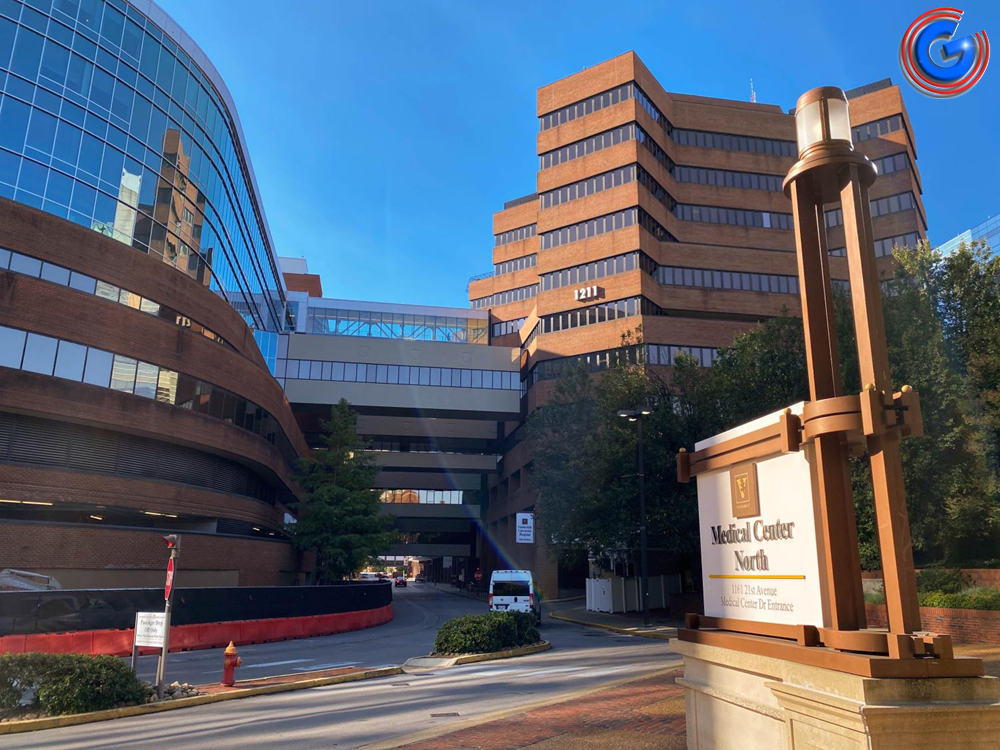
Dr. Kim Sandler of Vanderbilt University Medical Center, co-principal investigator, emphasized the importance of the effort: “For years, we have recognized that many women screened for breast cancer are in fact dying from lung cancer. This study allowed us the opportunity to inform women and their referring providers of lung screening eligibility and to facilitate lung screening exams.”
The need is clear. A previous study found that while 58% of eligible women had a mammogram within two years, only 7.9% underwent lung cancer screening. Overall, fewer than 20% of eligible adults receive the recommended CT scans. Dr. Robert Smith of the American Cancer Society noted that awareness remains low, even though annual lung cancer screening has been recommended for more than a decade.
Researchers believe mammography visits can serve as “teachable moments,” encouraging women not only to consider their own lung health but also to spark conversations with family members. With CALM showing strong results, Vanderbilt and other institutions plan to expand the model nationwide, hoping to turn awareness into action—and action into lives saved.