RUTHERFORD COUNTY, Tenn. (WGNS News) - Summary: As Rutherford County continues to grow, the amount of land devoted to agriculture is shrinking. USDA figures show the county lost nearly 17,000 acres of farmland between 2017 and 2022, while the number of farms declined from 1,414 to 1,270. Even so, the market value of agricultural products sold increased by 30% to nearly $35.4 million, although production expenses climbed above $40.6 million and farms collectively reported negative net cash income. With similar economic pressures affecting producers across Tennessee, some farmers are turning to winter canola as an alternative crop. Canola acreage statewide increased from about 4,000 acres in 2025 to an estimated 6,000 to 8,000 acres in 2026, and the crop can already be seen in parts of Rutherford County, where farmers are using it to diversify production, improve soil health and respond to changing markets.

FULL DETAILS - Rutherford County’s continued population and development growth has coincided with a steady reduction in the amount of land devoted to agriculture. USDA figures show that farmland acreage declined during each of the two most recent five-year agricultural census periods, even as the value of locally produced crops and livestock increased.
The USDA’s 2017 Census of Agriculture counted 1,414 farms covering 152,946 acres in Rutherford County. Compared with 2012, the number of farms had increased by 7%, while total farmland acreage had declined by 13%. The average farm encompassed 108 acres in 2017, representing a 19% decrease from five years earlier.
That trend continued through 2022. Rutherford County’s farmland declined by another 16,876 acres, falling to 136,070 acres. The number of farms also dropped by 10%, from 1,414 in 2017 to 1,270 in 2022. The average operation measured 107 acres, one acre smaller than the average reported five years earlier.
Taken together, the figures indicate that Rutherford County lost nearly 17,000 acres of farmland between 2017 and 2022 while the number of farms fell by 144. By 2024, USDA estimates placed the number of farms in the county between approximately 1,235 and 1,270.
The county’s agricultural economy, however, generated more sales despite the reduction in land and farming operations. The market value of agricultural products sold increased from $27.2 million in 2017 to nearly $35.4 million in 2022, a gain of 30%. Farm production expenses also rose, climbing 22% to more than $40.6 million. Rutherford County farms collectively reported negative net cash farm income of $545,000 in 2022.
Crop sales accounted for 71% of Rutherford County’s agricultural sales in 2022, compared with 58% in 2017. Grains, oilseeds, dry beans and dry peas generated approximately $13.3 million, making that category the county’s leading source of crop revenue. Nursery, greenhouse, floriculture and sod products produced more than $3.3 million in sales.

Cattle and calves remained the largest livestock category, generating nearly $6.9 million in sales during 2022. Milk from cows accounted for another $1.4 million. The county had 19,867 cattle and calves at the end of 2022, down from 27,540 five years earlier.
Hay and other forage remained Rutherford County’s largest crop by acreage, covering 30,760 acres in 2022. Soybeans accounted for 10,181 acres, followed by 6,782 acres of corn for grain and 2,121 acres of wheat. The USDA also reported that 96% of Rutherford County farms were family farms, while 772 producers were classified as new or beginning farmers.
The next Census of Agriculture will collect information for 2027, offering another comprehensive look at how residential development, production expenses and changing agricultural markets are affecting farms in Rutherford County and across Tennessee.
Those pressures are already prompting farmers statewide to consider alternative crops. A report released Thursday by the University of Tennessee Institute of Agriculture highlighted high input costs and volatile commodity markets as continuing challenges for Tennessee row crop producers.
One crop receiving increased attention is winter canola, which can be planted as an alternative to winter wheat and incorporated into rotations with corn and soybeans.
“Statewide canola acreage increased from 4,000 acres in 2025 to 6,000 to 8,000 acres in 2026,” said Mitchell Richmond, a tobacco, hemp and specialty crop specialist with University of Tennessee Extension. “A key reason is how well it fits into existing crop rotations, in which we grow soybeans or corn in the summer and either wheat or canola during the winter. Additionally, market prices for canola have been very favorable in recent years.”

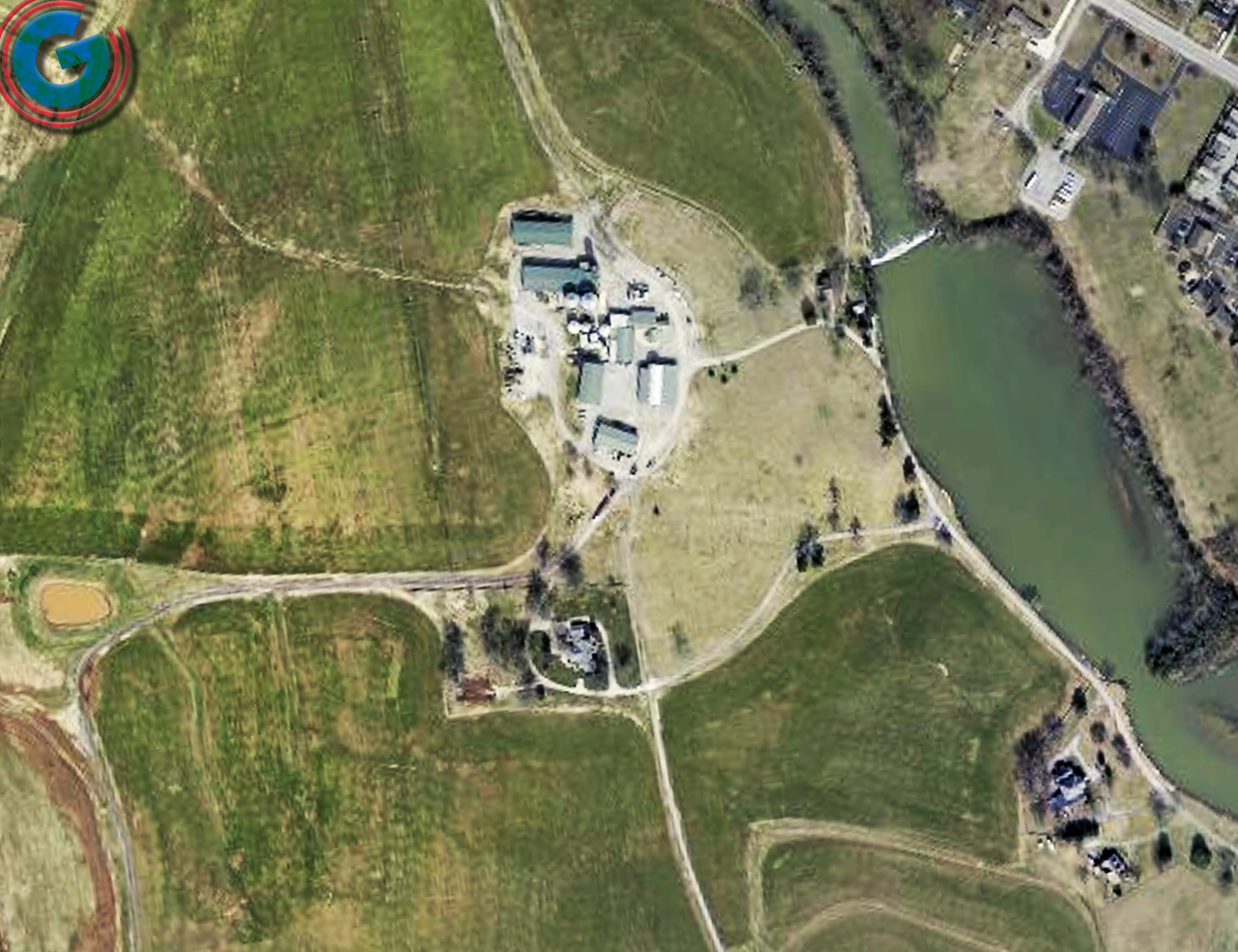
Canola is already visible in parts of Rutherford County. Hutchinson Farms, which manages more than 3,000 combined acres through operations in Rutherford and Coffee counties, has incorporated winter canola into its crop rotation. During the spring, the crop’s bright yellow blooms can often be seen along major local roadways, including South Rutherford Boulevard and Veterans Parkway.
Winter canola is generally planted in Tennessee from mid-September through mid-October, allowing its root system to become established before colder weather arrives. Growth resumes during early spring, with flowering typically occurring in April and harvesting taking place from late May through early June.
Canola seed is approximately 40% oil and is used in cooking products, livestock feed, renewable fuels and other commodities. More than 2.5 million acres of canola are grown annually across the United States.
For fifth-generation West Tennessee farmer Jamison Turner, canola has become an important part of his operation in Weakley and Obion counties.
“We grow about 4,500 acres of corn and soybeans in the summer, and about 500 acres of canola in the winter,” Turner said. “Warm season crops are not bringing in as much revenue, but canola allows more flexibility in our production system that we can adjust depending on markets. Plus, it serves as a cover crop to protect our soil from erosion.”
As canola acreage expands, researchers with the University of Tennessee Institute of Agriculture are studying diseases and pests that could reduce yields.
“This past season, we saw aphid infestations as well as white mold,” said Heather Kelly, an Extension specialist and plant pathology researcher. “There are already established management strategies across the U.S., but we want to ensure they are effective in Tennessee.”
Aphids may be found around blooms or beneath leaves near the base of the plant. Farmers may also notice honeydew, the sticky substance produced by the insects while feeding on plant sap. White mold generally appears as a white, cotton-like growth near the bottom of the stem and can leave infected stems hollow.
UT researchers recommend that producers carefully scout their fields and rotate canola with winter wheat to reduce pest infestations and disease pressure.
For Rutherford County farmers, the growing interest in canola illustrates how agricultural operations are adapting to rising expenses, shifting markets and a shrinking supply of available farmland. While the county’s agricultural footprint has become smaller, farmers continue to pursue new crops and production strategies aimed at keeping their operations viable.
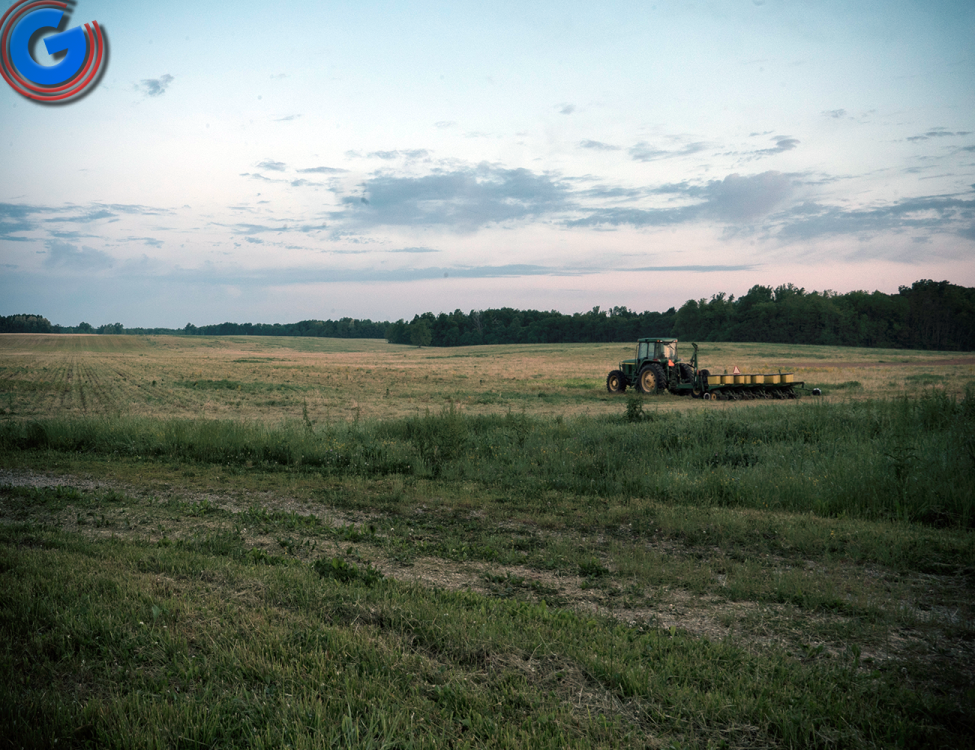
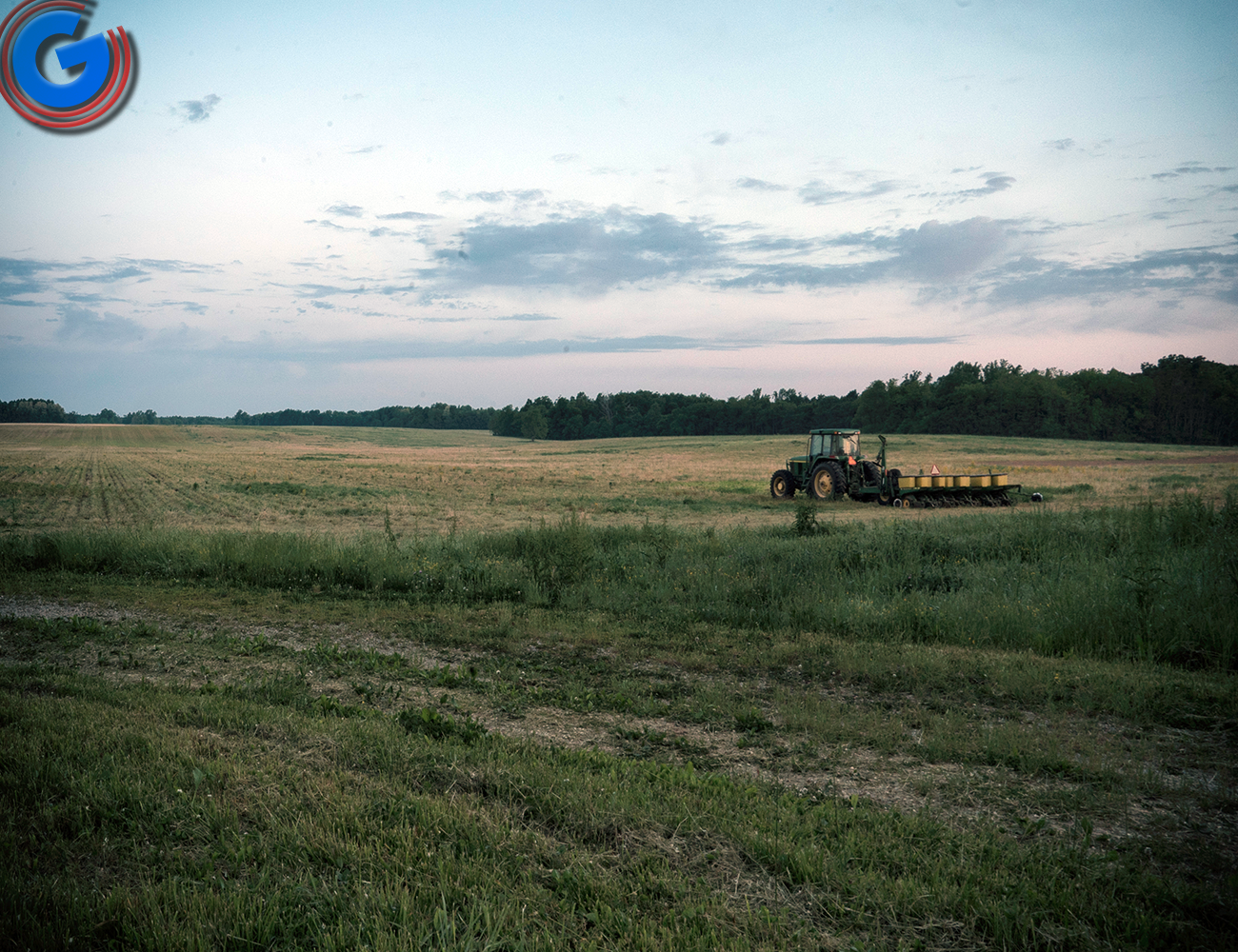
Below: Photo of farmland in Rutherford County by Scott Walker (SmallTownBigWorld.com)...
Below: Aerial photo of the Hutchinson Farms - Photo from the Rutherford Co. Assessor of Property website...
For more information on canola production in Tennessee, including how to incorporate the crop into your production system, please contact your local county Extension office. A tour on canola production will also be held at the 34th Milan No-Till Field Day on Thursday, July 23, at 10 a.m. and 11 a.m. CDT at the AgResearch and Education Center at Milan. For more information, visit milannotill.tennessee.edu.
The University of Tennessee Institute of Agriculture is comprised of the Herbert College of Agriculture, UT College of Veterinary Medicine, UT AgResearch and UT Extension. Through its land-grant mission of teaching, research and outreach, the Institute touches lives and provides Real. Life. Solutions. to Tennesseans and beyond. utia.tennessee.edu.
Sources: USDA and the University of Tennessee - Institute of Agriculture