Quick Read Version (Scroll Down for Full Details and Soundbites) - As raised-bed gardening grows in popularity across Middle Tennessee, local agricultural experts are warning homeowners against using old railroad ties near vegetables because many were treated with creosote, a petroleum-based preservative the EPA considers a probable human carcinogen. Rutherford County Agriculture Extension Agent Justin Stefanski said he would avoid creosote-treated wood around gardens, noting that rain, irrigation and weathering can move chemical compounds into nearby soil. Studies have found elevated levels of polycyclic aromatic hydrocarbons, or PAHs, near discarded ties, although the extent to which those chemicals enter vegetables varies by crop, soil conditions and distance from the wood. Because it can be difficult to identify how an older tie was treated, experts recommend safer raised-bed materials such as untreated cedar, redwood or black locust, modern residential landscape timbers, concrete blocks, galvanized steel, composite lumber or natural stone.

FULL DETAILS: RUTHERFORD COUNTY, Tenn. (WGNS News) - As raised bed gardening continues to surge in popularity across Middle Tennessee, many homeowners are looking for cost-effective materials to build their backyard planter boxes. A common, rustic-looking option that some choose, which is not the healthy route to travel, is repurposed railroad ties. In fact, local agricultural experts are urging residents to think twice before using these heavy wooden beams near their summer vegetables.
The primary concern stems from the chemicals used to treat the wood used by rail line companies that prevent it from rotting outdoors... That was Rutherford County Agriculture Extension Agent Justin Stefanski. Historically, railroad ties have been heavily treated with creosote, a dark brown, oily liquid that the Environmental Protection Agency (EPA) recognizes as a probable human carcinogen. When used as a border for raised beds, especially during the sweltering, wet summer months, these toxic chemicals can slowly leach directly into the soil where edible plants like tomatoes, squash, and green beans are growing.
During a recent lawn and garden discussion on WGNS, the extension agent addressed this specific hazard warning the dangers of using old railroad ties around your garden, or for the construction of a raised bed garden... Stefanski said that he would avoid using any wood treated with creosote around the garden. The cancer causing chemicals in creosote, found in salvaged railroad ties,is a risky gamble for food production.
While some rail lines still use creosote-treated wood, Stafanski told us... Railroad ties treated with copper naphthenate, a wood preservative made by dissolving copper compounds in a petroleum-based solvent to protect the wood from decay, fungi and insects, is a safe option. However, it may be hard to tell the difference in how an aged railroad tie was treated, just by looking at it.
For those looking to build safe raised beds, experts recommend using untreated hardwoods (like cedar or redwood, which are naturally rot-resistant), standard concrete cinder blocks, or modern galvanized steel troughs. While these alternatives might require a slightly higher initial investment than cheap, repurposed railroad ties, ensuring that your homegrown summer harvest is free from industrial chemical run-off is well worth the price... Scroll down for more details on using old railroad ties around your garden, the dangers associated with that choice, and links to studies about the the chemicals used to treat railroad ties.
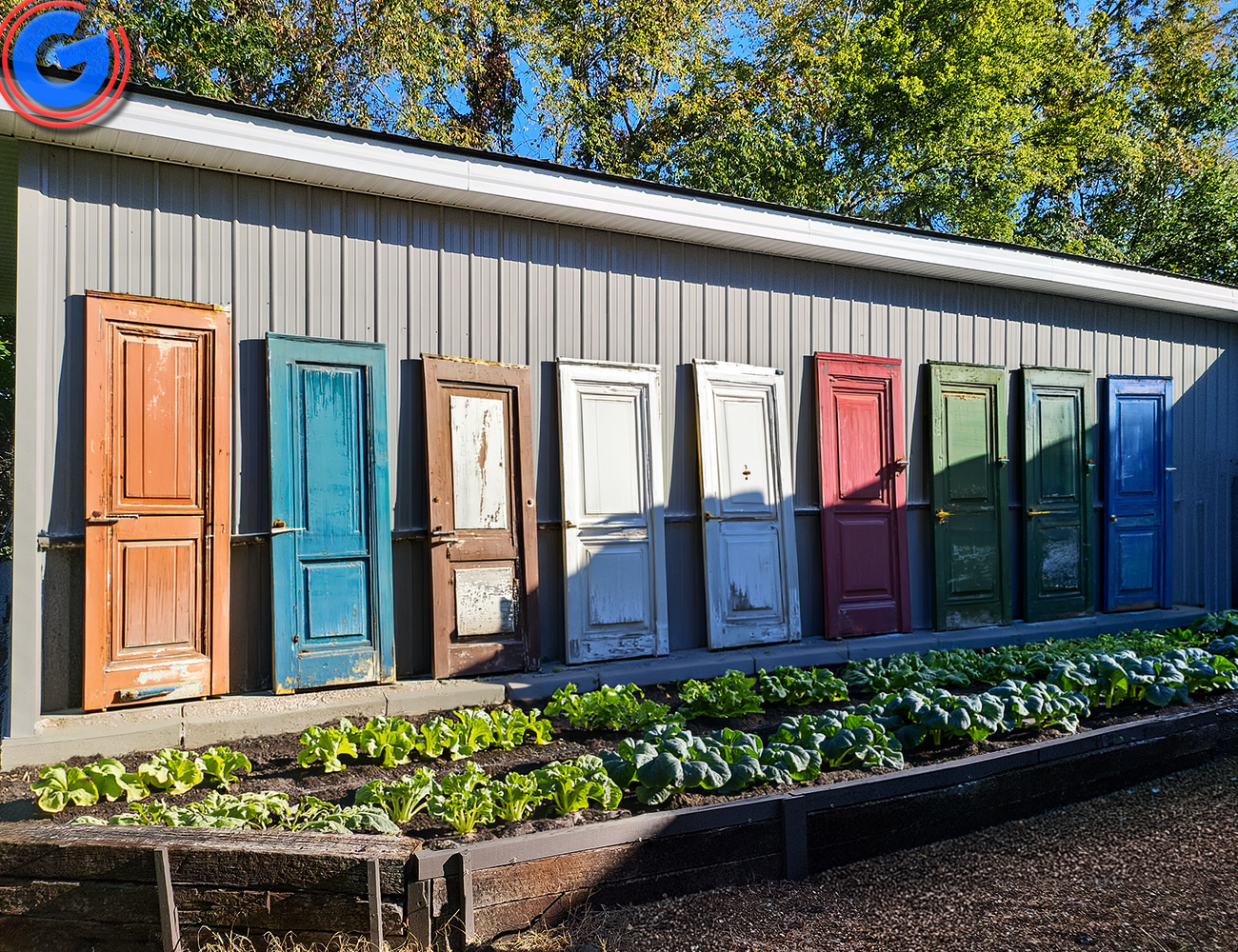
Above Photo: This is an example of what not to do - someone using old railroad ties around their raised bed garden in Murfreesboro.

Can rain wash creosote into a garden? Research indicates that chemicals can migrate from old creosote-treated ties into surrounding soil. Rainwater, irrigation, weathering and direct soil contact can contribute to the movement of creosote compounds out of the wood.
A 2007 study published in Science of the Total Environment examined soil and olives near discarded railway ties. Researchers found high PAH concentrations in soil associated with leaching from old ties used as a fence in a residential garden. Contamination was detected in soil sampled as far as approximately one meter, or slightly more than three feet, from the ties, although PAH concentrations declined rapidly as distance from the wood increased.
Another scientific analysis estimated that a typical railroad tie could release approximately five kilograms of creosote during a service life of 20 to 30 years. The researchers estimated that about half a kilogram of the 16 commonly monitored EPA PAHs could be emitted during that period. Release can occur through volatilization, weathering and leaching, although the rate varies with the tie’s age, condition, climate and original treatment. See SCS Publications information HERE.
“Old” does not necessarily mean chemical-free. Some of the more volatile compounds may have diminished during decades of railroad service, but less volatile PAHs can remain in the wood and nearby soil for long periods. A tie that still produces a strong petroleum or tar odor, feels oily or leaves black residue should be treated as an especially clear sign of remaining creosote. Scroll down for MORE information.
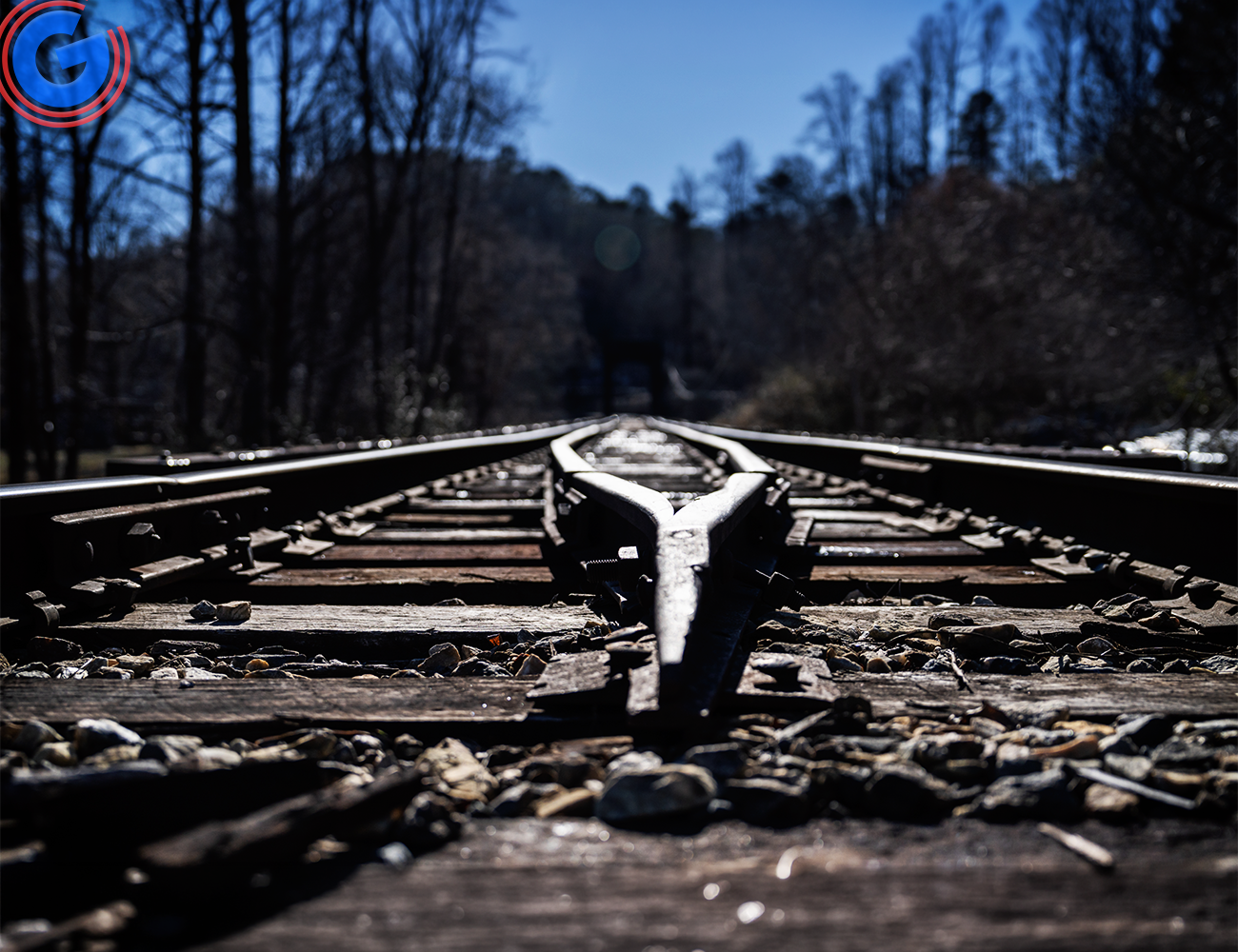
Photo below: Railroad tracks and RR ties - photo captured by WGNS' Scott Walker (See more at SmallTownBigWorld.com).

Can the chemicals get into vegetables? The evidence is more complicated than simply saying every vegetable grown near a railroad tie becomes contaminated.
PAHs tend to bind strongly to soil and organic matter, which can limit their movement into plant roots. Many vegetables do not readily transport the heavier PAHs from the soil into their edible tissues. However, uptake depends on the particular chemical, soil conditions and crop. Root vegetables may present more concern because they grow directly in contaminated soil, while soil particles can also cling to leafy vegetables and low-growing produce.
The 2007 railway-tie study found substantial levels of lighter PAHs in oil extracted from olives grown near piles of old ties. Researchers reported concentrations of light PAHs reaching about 6,360 micrograms per kilogram. They did not find appreciable transfer of heavier PAHs or benzo[a]pyrene into the olive oil samples. The study demonstrates that transfer or deposition can occur, but it does not establish that every crop grown near a tie will contain dangerous concentrations. See published report HERE.
A separate study of community gardens found elevated PAH levels associated with railroad ties in garden soil. Researchers emphasized that exposure can occur through several routes, including direct skin contact, accidentally swallowing soil or dust and consuming produce carrying contaminated soil particles. See study from the National Library of Medicine HERE.
University of Georgia guidance on contaminated urban soils notes that the uptake of many soil contaminants into edible plant tissue is generally limited. However, root crops may accumulate more than fruits or leafy vegetables, and contaminated dirt remaining on produce can be an important exposure route. Thorough washing and peeling root vegetables can reduce—but not necessarily eliminate—the concern. See University of Georgia Study HERE.
Best Alternatives to Creosote Ties
- Untreated Hardwood Ties: Natural timbers like cedar, redwood, or black locust offer excellent rot and insect resistance without chemical additives.
- Pressure-Treated Landscape Timbers: Modern residential timbers use safe copper-based preservatives instead of creosote or old arsenic formulas.
- Concrete Railway Ties: These offer immense structural strength and a completely uniform look, though they are heavy and harder to cut.
- Composite or Plastic Lumber: Made from recycled materials, these rot-proof timbers require zero maintenance and do not leach chemicals into the soil.
- Natural Stone or Gabion Cages: Utilizing stacked stone or rock-filled wire baskets creates permanent, rustic retaining walls that never decay.