MURFREESBORO, Tenn. (WGNS News) - Drivers across Middle Tennessee may be surprised to learn just how much information can be generated by automated license plate reader systems - and a relatively new website is giving the public a glimpse into how often plate numbers are being searched.

The website, HaveIBeenFlocked.com, compiles audit records obtained through open-records requests from agencies using Flock Safety’s automated license plate reader network. A person can enter a license plate number into the site and see whether that plate appears in available records showing searches performed through Flock’s system. The website says it does not save or log the plate numbers entered by visitors.
There is an important distinction, however: a result on the website does not necessarily mean the vehicle was photographed at the date and location shown as part of that search record. HaveIBeenFlocked says its searchable records are primarily audit logs documenting when an operator queried a plate in Flock’s database. The site specifically warns that its results do not establish when or whether a particular vehicle passed one of Flock’s cameras, nor do they necessarily reveal what the system returned to the person conducting the search.
That distinction became important when WGNS tested the system using a license plate belonging to a Murfreesboro-area resident.
The plate produced a record dated June 25, 2025, at 2:41 p.m., connected to Hendersonville, Tennessee. The vehicle owner told WGNS that the vehicle’s registration was expired at the time. The online record therefore provides evidence that the plate number appeared in a Flock-related audit record on that date, but based on HaveIBeenFlocked’s own explanation of its data, the result alone should not be interpreted as proof that a specific Flock camera photographed that vehicle in Hendersonville at 2:41 p.m.
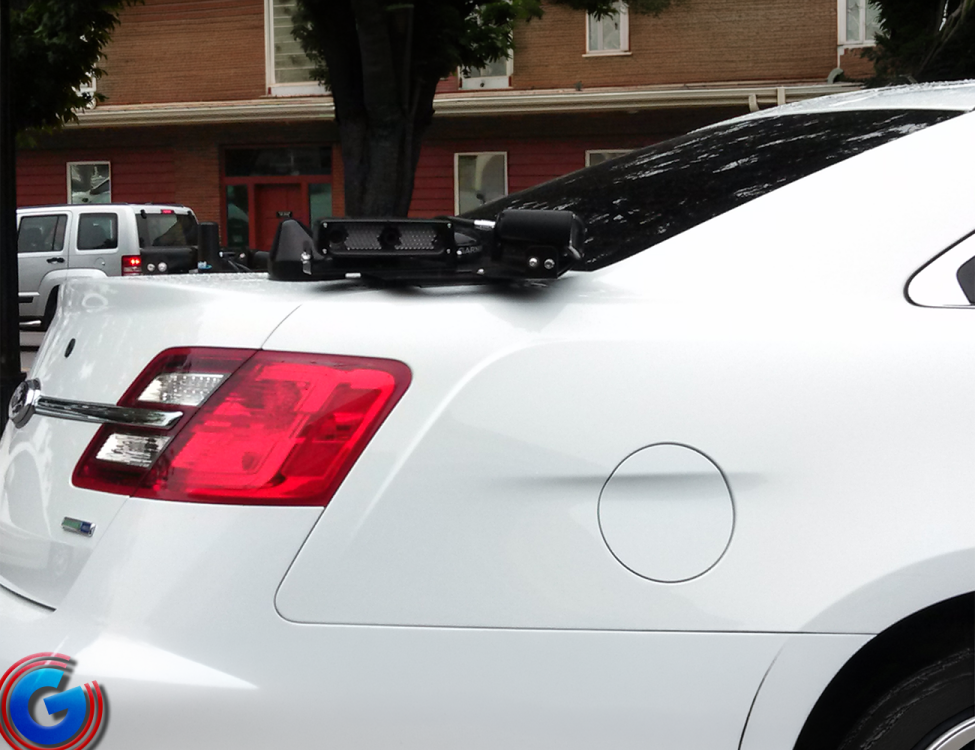
The distinction illustrates how complicated automated license plate reader technology can be for the general public. Flock cameras can photograph passing vehicles, read license plates and index identifying vehicle characteristics such as make, model and color. Authorized users can then search information within the network, creating audit logs that document those searches.
HaveIBeenFlocked is essentially making portions of those search histories easier for the public to examine.
The database is not complete. Its operators say the information comes from audit logs released through public-records requests or government transparency portals, and some agencies release heavily redacted records or no easily accessible records at all. That means finding nothing associated with a license plate does not necessarily mean the plate has never been searched.

The technology has spread rapidly across the country and throughout Middle Tennessee, where cameras are being used by law enforcement agencies as well as private organizations.
In Rutherford County, approximately 97 cameras / scanners are reported to be in use. Nearby counties also have sizable networks, including at least 30 in Williamson County, 62 in Wilson County, 27 in Coffee County and 19 in Bedford County, according to figures provided to WGNS. Cannon County has two. Those totals can change as cameras are added, removed or operated by different public and private entities.
Davidson County presents a somewhat different picture. Metro Nashville Police have pursued technology that would allow officers to more easily integrate public and privately owned surveillance cameras, but efforts to expand centralized access have faced scrutiny and delays before the Metro Council. A previously proposed system known as FUSUS would allow police to access participating privately owned cameras through a common platform, although participation by private property owners is voluntary.
Separate from that proposal, Nashville already has a substantial network of privately operated cameras. Neighborhood associations were among the earlier adopters of Flock technology in Davidson County, with some communities purchasing license plate readers to help identify vehicles connected to burglaries and other crimes.
Those private systems are important because automated license plate readers are not exclusively police equipment. Homeowners associations, apartment complexes, businesses, airports and other organizations can operate camera systems, creating a much broader network than the cameras directly owned by a municipal police department.
Law enforcement agencies have repeatedly pointed to license plate readers as useful tools for locating stolen vehicles, finding wanted suspects and assisting with investigations. Nashville’s own license plate reader pilot, for example, was promoted for cases involving violent crimes, Amber Alerts, Silver Alerts, stolen tags and stolen vehicles.
But as the network expands, so have questions about privacy and oversight.
Recent scrutiny has focused not only on what the cameras collect, but also on who is permitted to search the information and why. Reports from around the country have documented cases in which law enforcement personnel allegedly used license plate reader databases for improper personal searches.
One widely reported case involved a North Carolina officer accused of repeatedly using Flock’s system to track her boyfriend’s former wife. That case and other allegations of misuse have added pressure on Flock Safety to strengthen internal safeguards.
Flock CEO Garrett Langley has since announced changes intended to identify suspicious use of the system. Among the announced measures are tools designed to flag abnormal search behavior and requirements intended to provide greater accountability for database searches. Flock has also said it plans to shorten its default data-retention period.
Civil-liberties organizations have described those changes as progress while continuing to question whether such a large, interconnected vehicle-surveillance system should exist without stronger legal controls.
The debate is unlikely to disappear as the number of cameras grows.
For police, the technology can turn a passing license plate into an investigative lead within seconds. For privacy advocates, that same capability raises concerns about whether ordinary travel can eventually be reconstructed through a network of public and privately owned cameras.
And for drivers curious about their own plate numbers, HaveIBeenFlocked provides a window into at least part of that system — but users should read the results carefully. A plate appearing in the database shows that information associated with the number appears in available Flock audit records. It does not, by itself, prove that the driver was suspected of a crime, under investigation or physically photographed at the time and place associated with a database search.