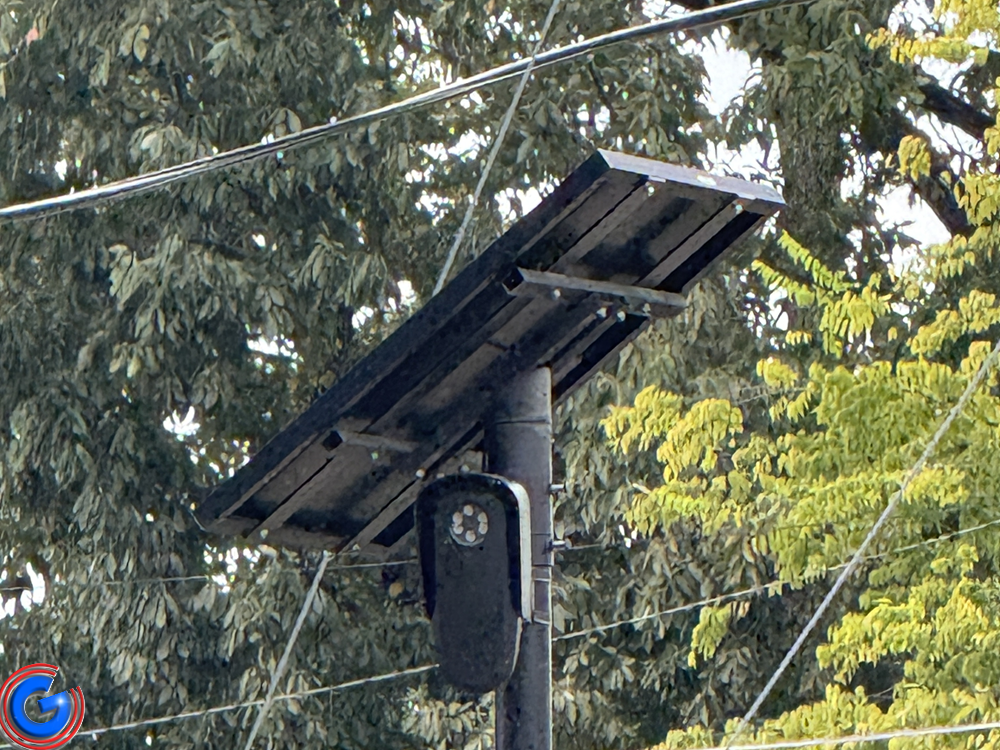
MURFREESBORO, TN (WGNS) - The conversation around Flock cameras isn’t slowing down, and neither are the opinions. Ask ten Murfreesboro residents whether the city’s growing network of license‑plate‑reading cameras infringes on privacy, and you’ll likely get ten different answers. With roughly 180 Flock cameras inside city limits — and about 264 across Rutherford County — the technology is hard to miss. Most folks agree police solving crimes is a good thing. What keeps people up at night is what else the technology could do, now or years down the road.

The debate intensified this fall when concerns expanded beyond Flock cameras to police drones. In mid‑September 2026, the City Council approved software licenses for two new drones. The original proposal would have tied those drones directly into the Flock Safety system. After a wave of public pushback, that integration was pulled from the ordinance. Residents made it clear they weren’t comfortable with what felt like a step toward constant aerial surveillance.
Police Chief Michael Bowen has repeatedly defended the technology, saying it’s an investigative tool — not a watchtower. He points to quick arrests and solved cases as proof that the cameras help officers work smarter and faster. Mayor Shane McFarland has also pushed back against claims that Murfreesboro is building a “surveillance state,” noting that only about five square miles of the city are actually monitored by this specific technology.
Murfreesboro isn’t alone in wrestling with these questions. Flock Safety now operates more than 120,000 cameras across 49 states, and cities nationwide are re‑evaluating their contracts. Privacy advocates argue that automated license‑plate readers are just the “tip of the iceberg” for broader AI‑driven policing. Their concerns were reinforced locally when the drone‑to‑Flock integration was proposed — and only removed after community backlash.
Now the conversation is shifting to Nashville. Tennessee’s Sheriffs’ Association and the Tennessee Association of Chiefs of Police are drafting statewide model policies for automated license‑plate readers. The safeguards under consideration include documented search purposes, human verification, limits on historical look‑backs, strict retention rules, access restrictions, audits, information‑sharing limits, protections for constitutionally protected activity, complaint procedures, and discipline for misuse. It’s the closest Tennessee has come to a statewide framework, and lawmakers expect the issue to reach the General Assembly in 2027.
As pushback continues, one big question hangs in the air: Will Tennessee — and perhaps the nation — find a middle ground that protects both privacy and public safety, or will proven crime‑reducing technology be forced to quiet down in the Volunteer State?