

RUTHERFORD COUNTY, Tenn. (WGNS News) – In one Rutherford County subdivision, located approximately two miles from the intersection of South Church Street (Shelbyville Highway) and Joe B. Jackson Parkway, neighbors say a growing problem has become increasingly difficult to ignore... That neighbor is referring to a home that several residents have nicknamed "The Goat House," a property where an expanding population of goats has become a source of frustration and concern for surrounding homeowners. LISTEN TO THE ENTIRE NEWS STORY BY CLICKING PLAY ABOVE THIS ARTICLE, SCROLL DOWN FOR MORE PHOTOS AND SEE A VIDEO OF THE FIRE ABOVE THIS ARTICLE.
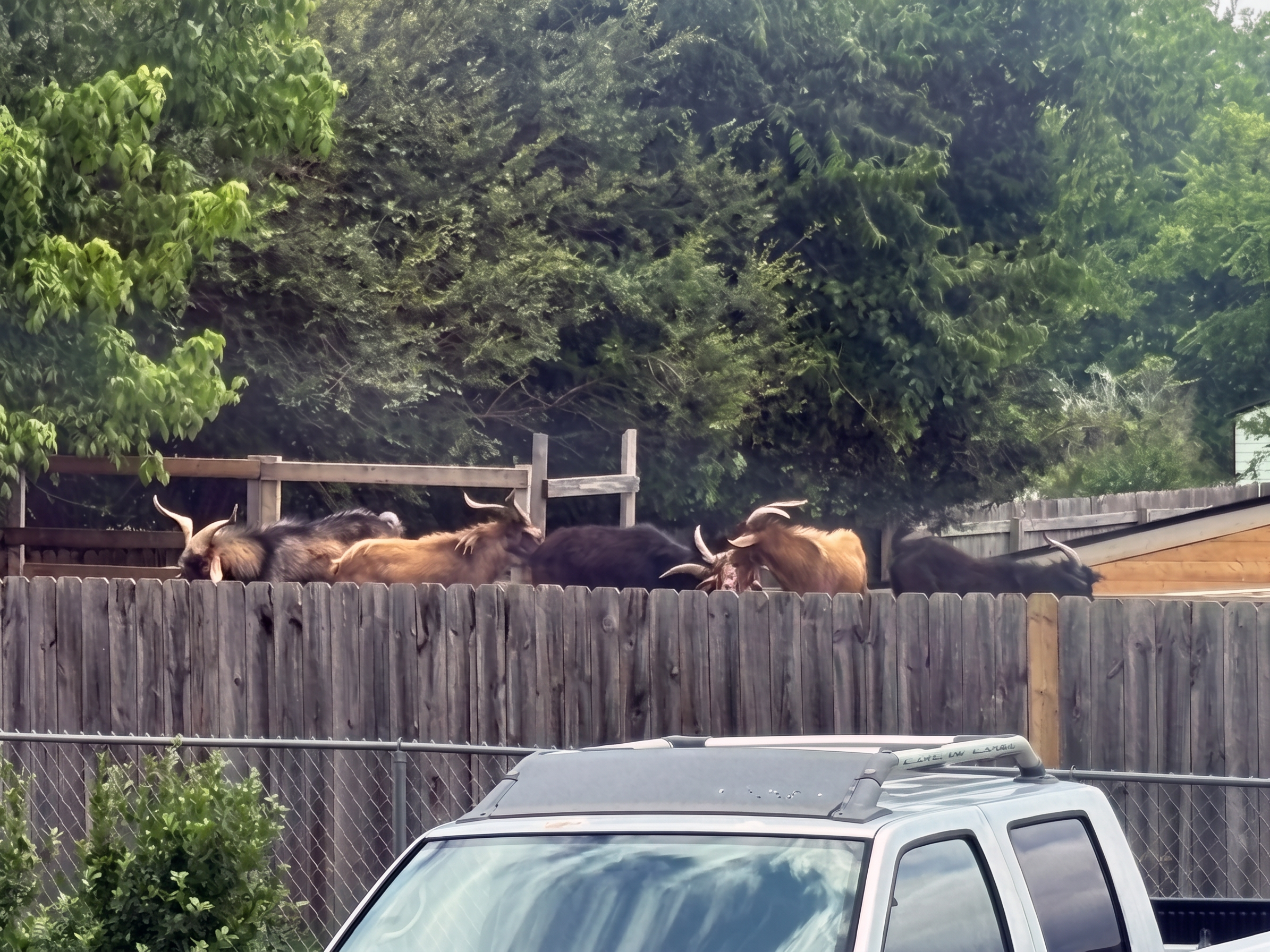
For those who have raised goats on a farm, many will attest that goat herds can multiply quickly, sometimes outgrowing their enclosures in a matter of months. With goats capable of producing multiple offspring during a single pregnancy, an unmanaged herd can increase substantially over a relatively short period. Several residents of the Applewood Subdivision, a neighborhood with fewer than 100 homes, say they have witnessed that growth firsthand...
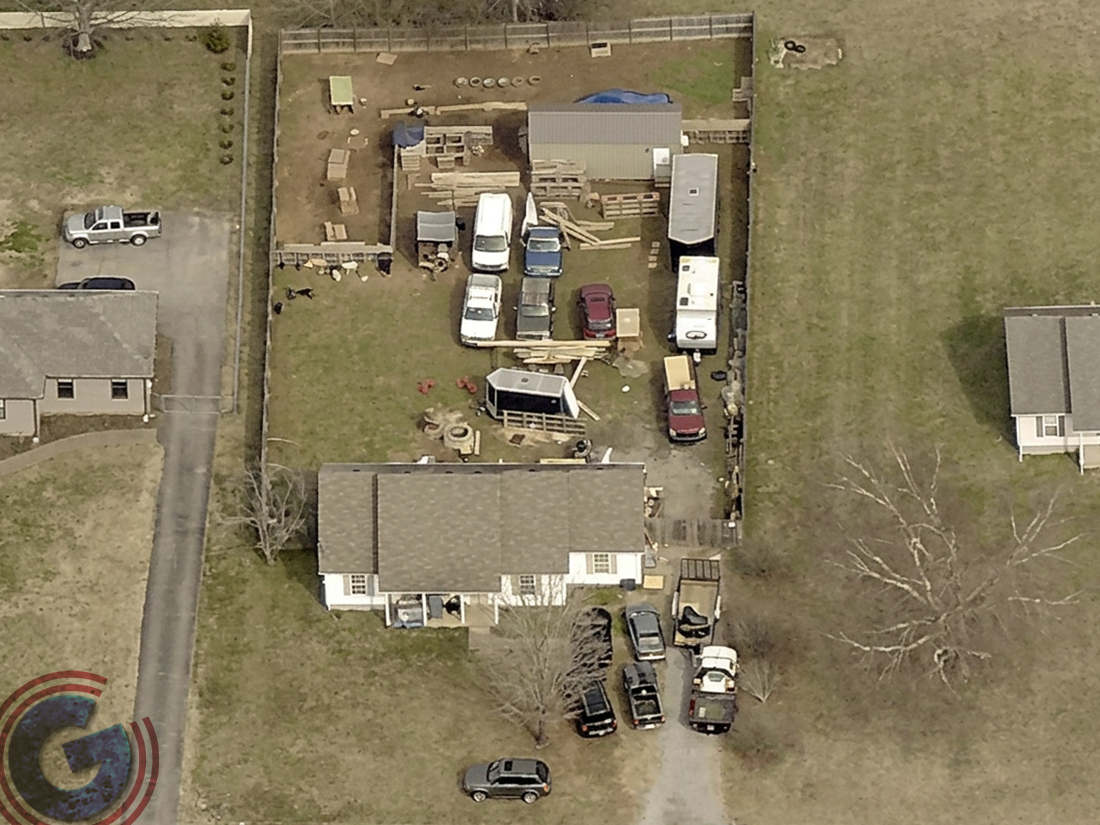
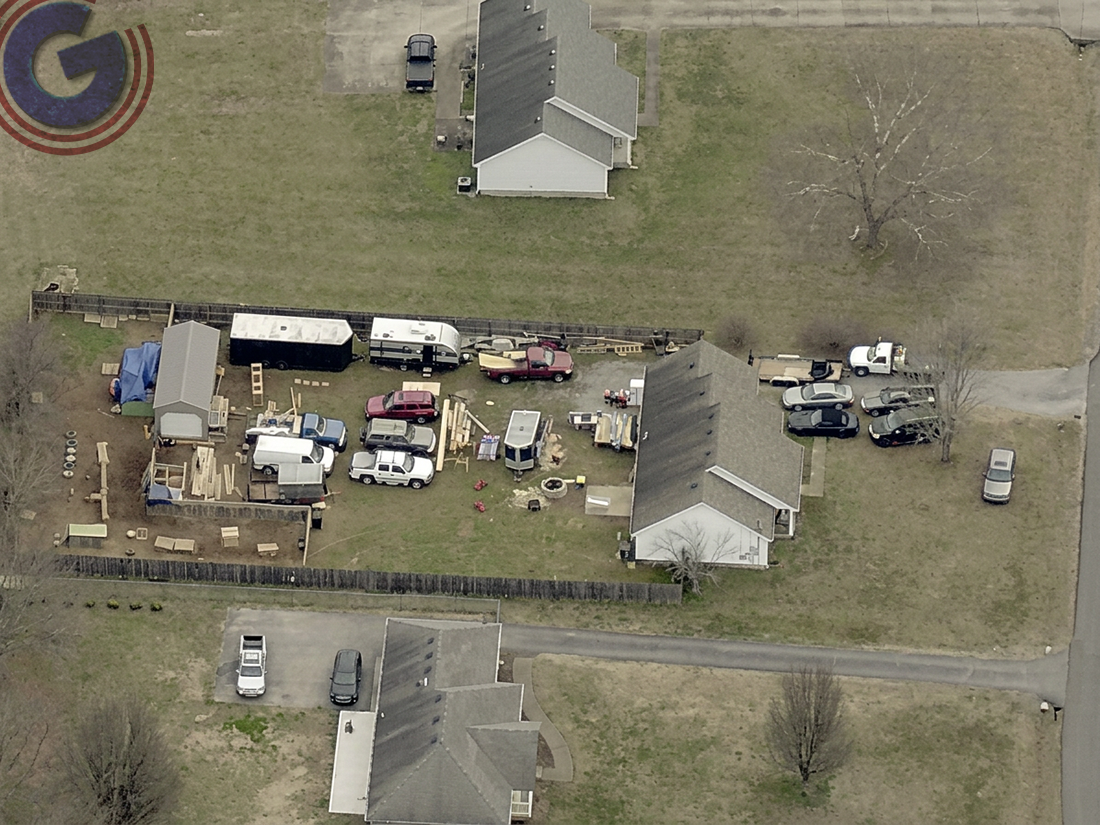
One resident told WGNS that as many as 25 goats can sometimes be seen grazing in the backyard of a home in the 200 block of Applewood Lane, while another neighbor reported counting approximately 30. The property itself is less than half an acre, with the backyard estimated to be roughly one-quarter of an acre. However, residents say a significant portion of that space is occupied by older pickup trucks, trailers and storage buildings, leaving considerably less room for the animals to roam.
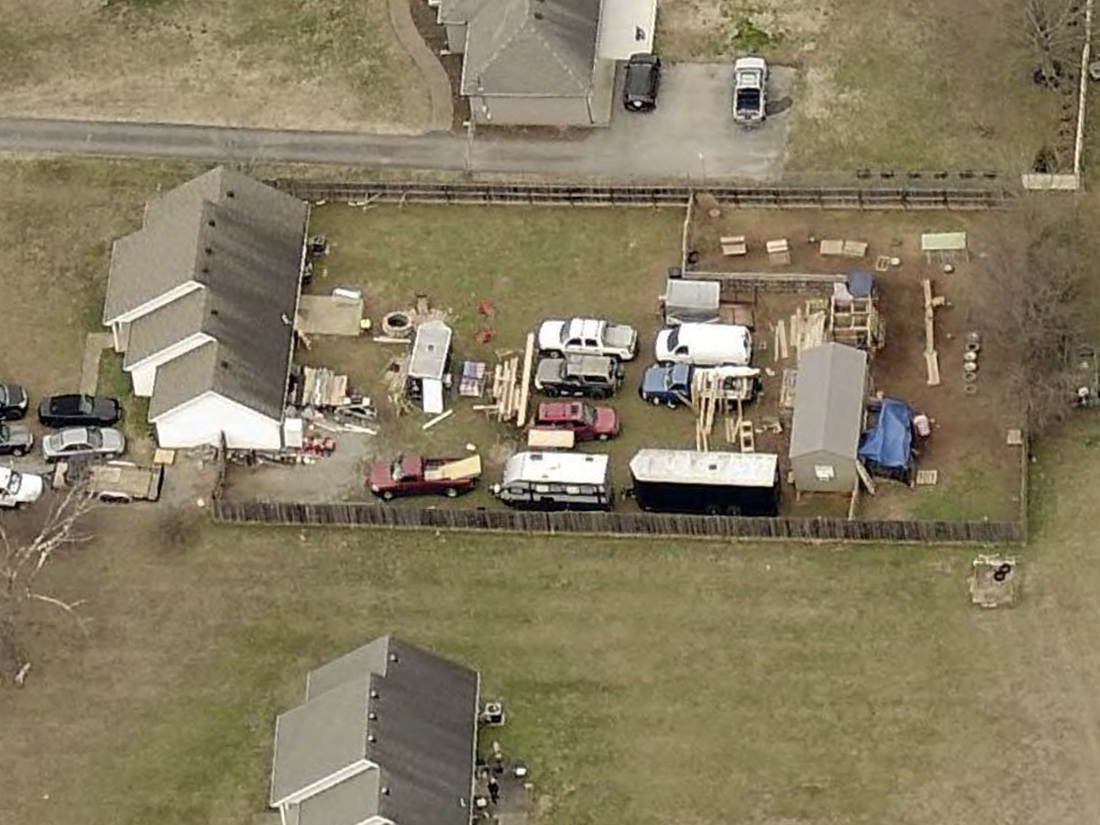
A neighbor who spoke with WGNS on Monday said he has watched the situation worsen over time, reaching a point where he now fears it could pose a potential h ealth hazard... Despite his concerns, the resident said repeated requests for assistance from county and state officials have produced little relief... Over the past three years, some neighbors say they have contacted the Rutherford County Sheriff's Office, county codes officials, the Tennessee Department of Environment and Conservation, the county planning department, the Tennessee Pest Control Association and even their county commissioner. However, according to those residents, their concerns about sanitation, animal waste, neighborhood conditions and the well-being of their families remain unresolved.
Weekend Fire Adds to Neighborhood Concerns
Late Saturday night, continuing into the early morning hours of Sunday, residents reported hearing what sounded like an explosion in the rear portion of the neighborhood... One neighbor told WGNS he had previously observed an extension cord extending from a rear window of the home where the goats are kept to a small barn or outbuilding in the backyard... The resident described how quickly the fire developed, with part of the incident captured by a neighbor's Ring security camera... The footage reportedly captured the sudden eruption of flames, adding to concerns among nearby homeowners... Rutherford County Fire Rescue responded to the blaze, and firefighters were able to contain the flames before they spread to nearby structures...

Although the cause of the fire has not been established, the incident has brought additional attention to a property that neighbors say has been the subject of complaints for several years. The reported presence of an extension cord does not establish that it caused or contributed to the fire, and any determination regarding the origin of the blaze will depend on the findings of fire investigators.
Horned Goats Raise Additional Safety Questions
The presence of mature goats with prominent horns has also raised concerns among some residents, particularly when the animals reportedly escape their enclosure... While horns serve several natural purposes, including helping goats regulate body temperature and defend themselves, they can also p resent an injury risk to people or other animals. Even an accidental movement of a goat's head can cause an injury, while an animal that feels threatened may use its horns defensively.
Those concerns are reflected in livestock exhibition safety requirements at fairs throughout Tennessee. At the Wilson County Fairgrounds, for example, goat exhibition rules require animals to be polled, disbudded or have their horns tipped or cushioned with protective material intended to reduce the risk of injury to exhibitors. The rules do not necessarily require complete horn removal, but they demonstrate the precautions taken when people and horned goats are in close proximity. Those exhibition requirements, however, are not the same as laws governing goats kept on private residential property.
Subdivision Restrictions Could Lead to Civil Court Action
While the cause of the weekend fire remains under investigation, the larger dispute over the number of goats being kept in a residential backyard may ultimately become a civil matter rather than one resolved through county code enforcement. The distinction could prove important for Applewood homeowners who say they have spent years seeking assistance from government agencies without reaching a resolution.
One possible avenue involves the subdivision's recorded restrictive covenants, which establish certain rules governing how properties within the neighborhood may be used. The Applewood Subdivision covenants contain a provision stating that "no animals or livestock of any kind shall be allowed or maintained on any lot," with an exception for dogs, cats and other household pets kept for noncommercial purposes. Goats are generally classified as livestock, although the covenants do not specifically identify goats by name. The same provision separately prohibits poultry of any kind, at any time and for any purpose.

That language could become significant if homeowners decide to pursue legal action. Unlike county zoning regulations, which are enforced by local government, restrictive covenants are generally private property agreements that may be enforced through civil litigation by parties who have the legal right to do so. Depending on the language of the recorded restrictions and applicable Tennessee law, an individual homeowner, a homeowners association or another authorized party may be able to seek enforcement in court.
Such a lawsuit could ask a judge to determine whether keeping goats on the property violates the subdivision's restrictions. If a violation is established, the court could potentially issue an injunction requiring the property owner to stop the prohibited activity, which might include removing livestock from the property. Homeowners could also attempt to pursue a private nuisance claim if they can establish that conditions involving animal waste, odors, noise or roaming livestock substantially and unreasonably interfere with the use and enjoyment of their properties. However, the existence of a covenant does not automatically establish a violation, and any legal action would depend on the facts, the enforceability of the restrictions and the evidence presented.
For Applewood residents, the distinction between a county ordinance and a private subdivision restriction may explain why repeated complaints to government agencies have not produced the outcome some homeowners are seeking. Even if county regulations do not prohibit the animals, enforceable private covenants could impose additional limitations on property owners. That means a dispute that began with a few goats grazing in a backyard could eventually require a judge to determine whether livestock belongs in the neighborhood at all.
For now, residents continue to wait for answers about the weekend fire while considering what options remain to address their longstanding concerns. What began as a neighborhood disagreement over goats has developed into a broader dispute involving property rights, residential safety and the enforcement of subdivision restrictions. Whether those concerns can be resolved between neighbors or ultimately require intervention by a civil court remains to be seen.
DISCLAIMER: All suspects are presumed innocent until proven guilty in a court of law. The arrest records or information about an arrest that are published or reported on NewsRadio WGNS and www.WGNSradio.com are not an indication of guilt or evidence that an actual crime has been committed.