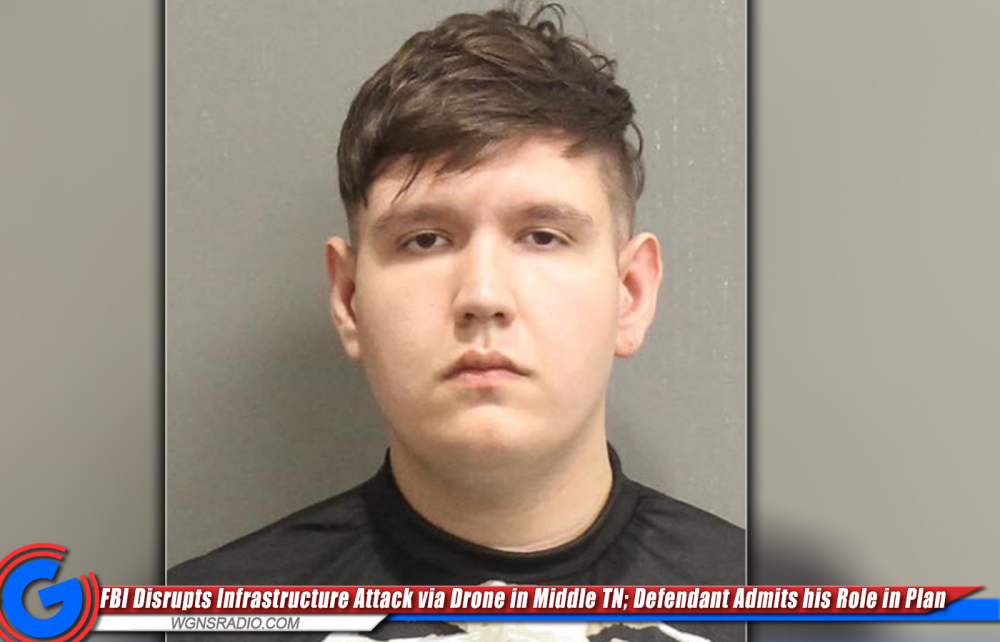
NASHVILLE, Tenn. — Skyler Philippi, 24, of Columbia, pleaded guilty Wednesday to attempting to use a weapon of mass destruction and attempting to destroy an energy facility, admitting he planned a drone-delivered explosive attack on a Nashville-area electrical substation.

Federal officials said Philippi spent months preparing: surveilling a target, acquiring what he believed were explosives, and outfitting a drone for an attack intended to “do something big.” The FBI disrupted the plot and arrested Philippi as he prepared to attach an explosive device to the drone near the intended operation site.
“Philippi planned what he hoped would be a devastating attack on Nashville’s energy infrastructure,” said Assistant Attorney General for National Security John A. Eisenberg, noting the FBI’s intervention. Acting U.S. Attorney Robert E. McGuire for the Middle District of Tennessee praised investigators and prosecutors for stopping an attack that “could have victimized our community.” Assistant Director Donald Holstead of the FBI’s Counterterrorism Division said the case underscores the Bureau’s priority to protect critical infrastructure and public safety.
According to court documents, Philippi previously discussed mass violence, researched past attacks on substations, and concluded firearms alone would not achieve his intended effect. He then turned to a plan to fly a drone carrying explosives into a substation. Investigators noted he referenced high-energy explosives in conversations with undercover employees and conducted reconnaissance of a specific facility in September 2024.
The FBI also said Philippi espoused violent extremist ideology and referenced white supremacist organizations in messages. In November 2024, undercover employees met him at a hotel before moving toward the planned operation site, where agents arrested him with the drone powered up and an explosive device nearby.
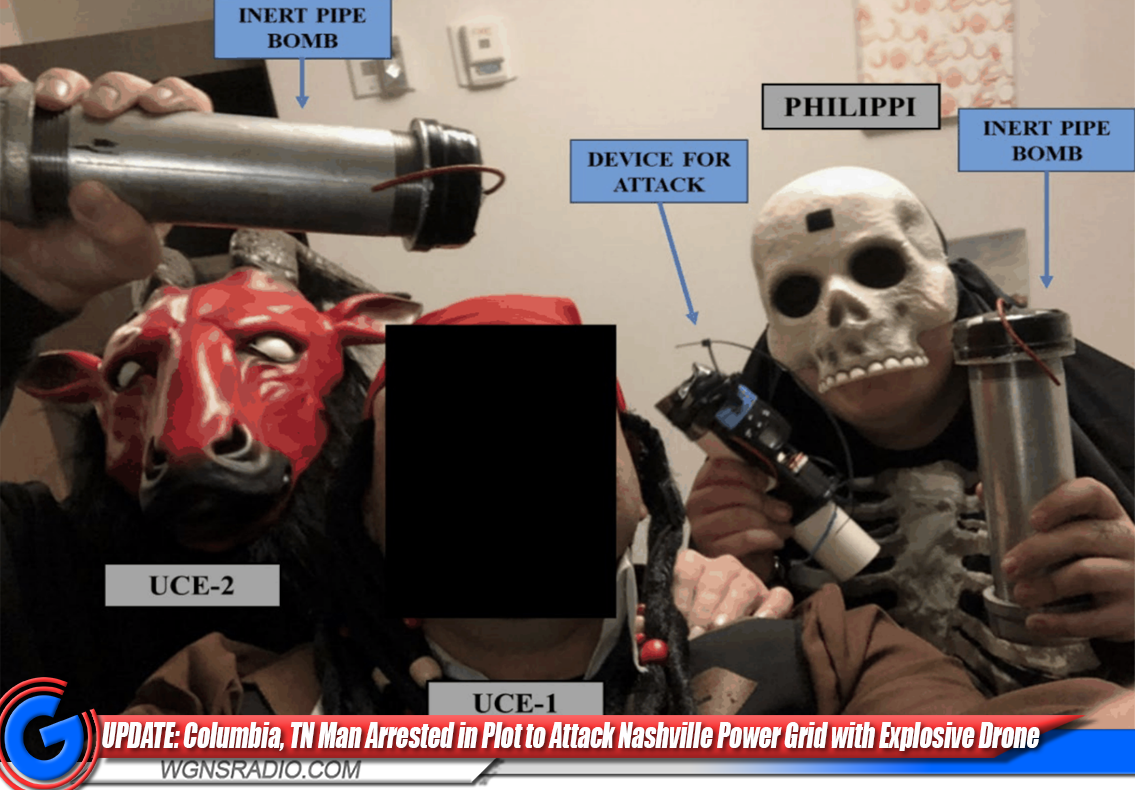
Scroll down for photo of alleged bomb, as seen in the court documents.

Sentencing for Subject: Philippi is scheduled to be sentenced January 8, 2026. He faces a maximum penalty of life in prison and a maximum fine of $250,000. A federal district judge will determine the sentence after considering the U.S. Sentencing Guidelines and statutory factors. The FBI Nashville Field Office investigated the case, and prosecutors from the U.S. Attorney’s Office for the Middle District of Tennessee and the National Security Division’s Counterterrorism Section are handling the prosecution.