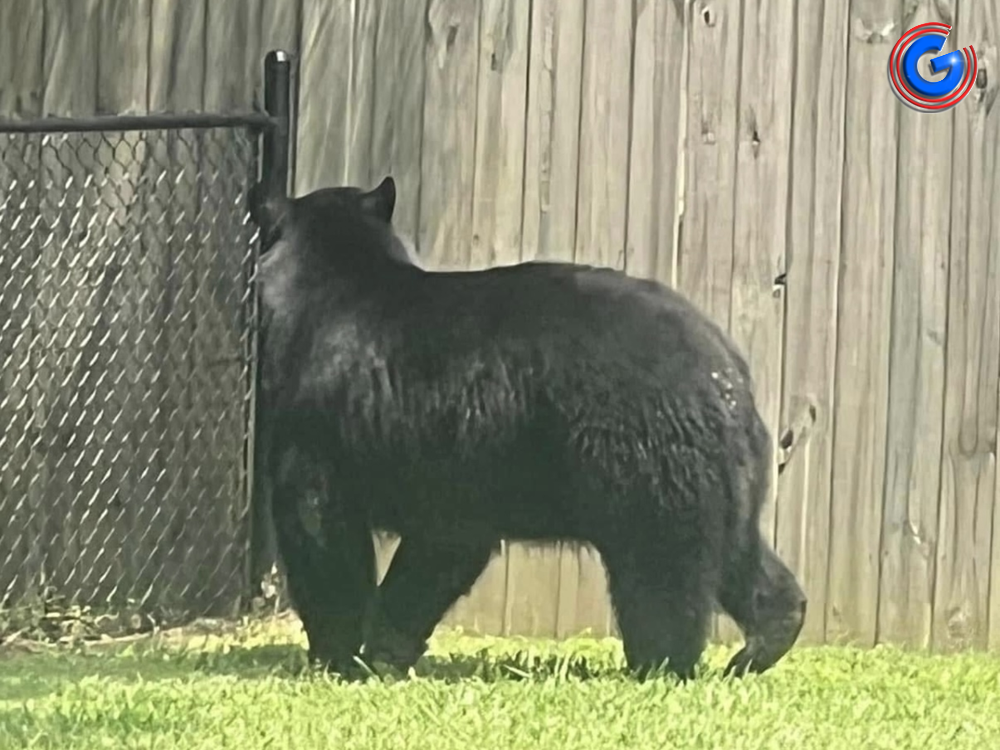
Middle Tennessee - Residents of Rutherford County have reported a noticeable uptick in black bear sightings over the past few years, prompting curiosity, concern, and a flurry of calls to the Tennessee Wildlife Resources Agency (TWRA). Just last year, a large black bear was struck by a vehicle in nearby Shelbyville, a rare but telling incident that underscores the growing presence of these animals in Middle Tennessee.

According to TWRA, black bears are expanding their range beyond their traditional strongholds in East Tennessee, including the Smoky Mountains, and are now reclaiming parts of their historic habitat across the state. This resurgence is considered a conservation success story, as bear populations rebound from decades of decline due to habitat loss and hunting.
Bears are highly mobile creatures, capable of roaming dozens of miles in search of food, water, and shelter. Their natural curiosity and intelligence make them adept at navigating human environments—some have even learned to open car doors in search of snacks. The abundance of lakes and rivers in Rutherford County, including Percy Priest Lake and the Stones River, may serve as natural attractants, offering both hydration and rich ecosystems teeming with food sources.
TWRA biologists note that bears are often drawn to residential areas by unsecured trash, bird feeders, pet food, and even greasy grills. These unintentional food sources can encourage bears to linger, and in some cases, establish new home ranges. While most sightings involve black bears—the only species native to Tennessee—there is no evidence of other bear species in the region at this time.
If you encounter a bear, TWRA advises keeping a safe distance, making loud noises to alert the animal, and never attempting to feed or follow it. Bears typically avoid confrontation and will flee if they feel threatened. Residents are encouraged to report sightings to TWRA to help monitor bear movement and behavior.
As bear populations continue to grow and reclaim territory, experts predict that sightings in Middle Tennessee will become more common. Whether these bears are simply passing through or settling down with cubs remains to be seen, but one thing is clear: bears are no longer just a Smoky Mountain phenomenon—they’re becoming part of the Middle Tennessee landscape.