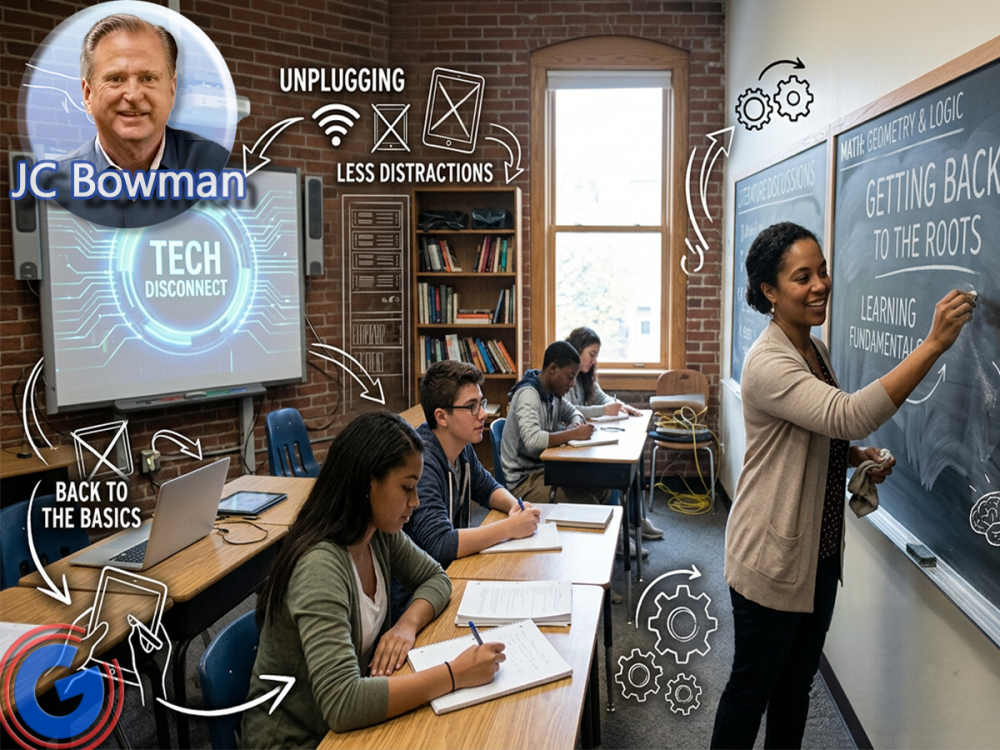
RUTHERFORD COUNTY, TN (WGNS) - As Tennessee school districts continue to integrate digital platforms into daily learning, a growing chorus of educators and privacy advocates is raising the red flag over the massive amounts of personal data being collected from students. During a recent discussion on the current state of classroom technology, JC Bowman, Executive Director of Professional Educators of Tennessee, highlighted a disturbing trend where even the youngest students are being assigned permanent digital footprints. Bowman noted that in some districts, children as young as kindergarten are issued official email addresses—not for communication, but to facilitate logins for third-party software that may be tracking their behaviors and preferences.
Bowman told WGNS News about some children, as young as 5, getting an email address to utilize school technology... The concern isn't just about security breaches; it's about the sophisticated "pigeonholing" of children. This process, often referred to as data mining, involves algorithms that track a student’s progress, interests, and even emotional responses to create a profile that follows them throughout their academic career... Critics argue that electronic smart devices today create a "buying habit" and "viewing habit" profile before a child is even old enough to understand the concept of a digital footprint.
The legislative response has begun to gain traction in Nashville. Representative Michele Reneau recently sponsored House Bill 2393, which was approved by the Tennessee General Assembly in April 2026. Bowman commented... Private data collection is a growing concern among lawmakers and educators alike, especially when you consider that the computers and tablets students use for their educational needs are, in some districts, assigned to them for up to three years at a time. The question then becomes: what happens to these devices when they are no longer in use, and is all of the students’ private information truly deleted?
Reneau's legislation (HB 2393) requires school districts to adopt policies that prioritize teacher-led instruction over electronic materials for grades K-5 and strictly prohibits students from accessing social media on school-provided internet. The bill aims to return the "foundations of learning"—books, handwriting, and direct discussion—to the forefront of the elementary experience. The senate version of the bill, SB 2310, has been signed by the Governor.
Beyond the privacy risks, the financial burden on taxpayers is mounting. As schools transition to "one-to-one" device ratios, the cost of hardware and software subscriptions has skyrocketed. Some Middle Tennessee superintendents have reported technology budgets jumping from $1 million to over $20 million annually, largely due to the short three-year lifespan of devices like Chromebooks. As the state moves toward more "personalized learning" models, the challenge remains: ensuring that technology serves as a tool for the teacher, rather than a replacement for the human connection essential to a child’s development. Click HERE to hear our latest podcast with JC Bowman, and scroll down for more photos and details on the latest legislation regarding technology.
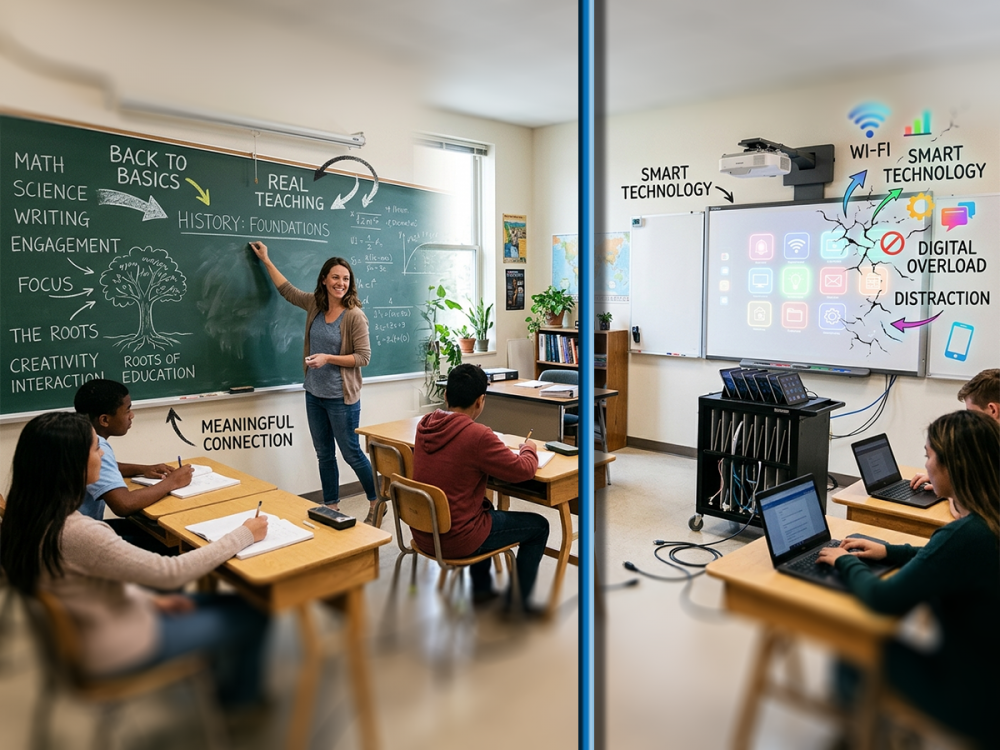
MORE DETAILS: (Michele Reneau (R), Hamilton County, District 27) Tennessee House Bill 2393 would impact local education agencies (LEAs) and public charter schools by requiring changes to K–5 instruction, technology use, and scheduling, potentially creating varying costs across districts for replacing instructional tools while also offering possible savings from reduced device purchases and maintenance. Because the Tennessee Constitution prohibits unfunded mandates on local governments, any increased costs could require state financial participation. As originally written, the bill broadly restricted student and teacher use of digital devices in K–5 classrooms, including for instruction and assessments, with limited exceptions for required screenings, special education compliance, and virtual schools. However, a significant amendment—adopted when the Senate Bill 2310 passed - replaced those strict bans with a more flexible requirement: schools must now adopt policies that limit unnecessary screen time while still allowing appropriate instructional use. These policies must include specific components and still permit digital device use for targeted instruction, legally required accommodations, standardized assessments, teacher planning, and certain learning environments such as virtual, remote, or hybrid settings.