Christiana Agrivoltaics Project Blends Solar Power and Livestock Farming

May 15, 2026 at 09:17 pm by WGNS News


UPDATE: RUTHERFORD County, Tenn. - The rolling pastures of Christiana are becoming the site of a high-tech project that could help solve one of the renewable energy industry’s biggest hurdles: land competition... That was Amy Byers, marketing and public relations coordinator for Middle Tennessee Electric. For years, critics of large-scale solar arrays have argued that the transition to green energy comes at the expense of food production, as thousands of acres of prime farmland are covered by glass and steel...

This new “Agrivoltaics” project in Rutherford County is demonstrating that communities do not have to choose between agriculture and renewable energy production.

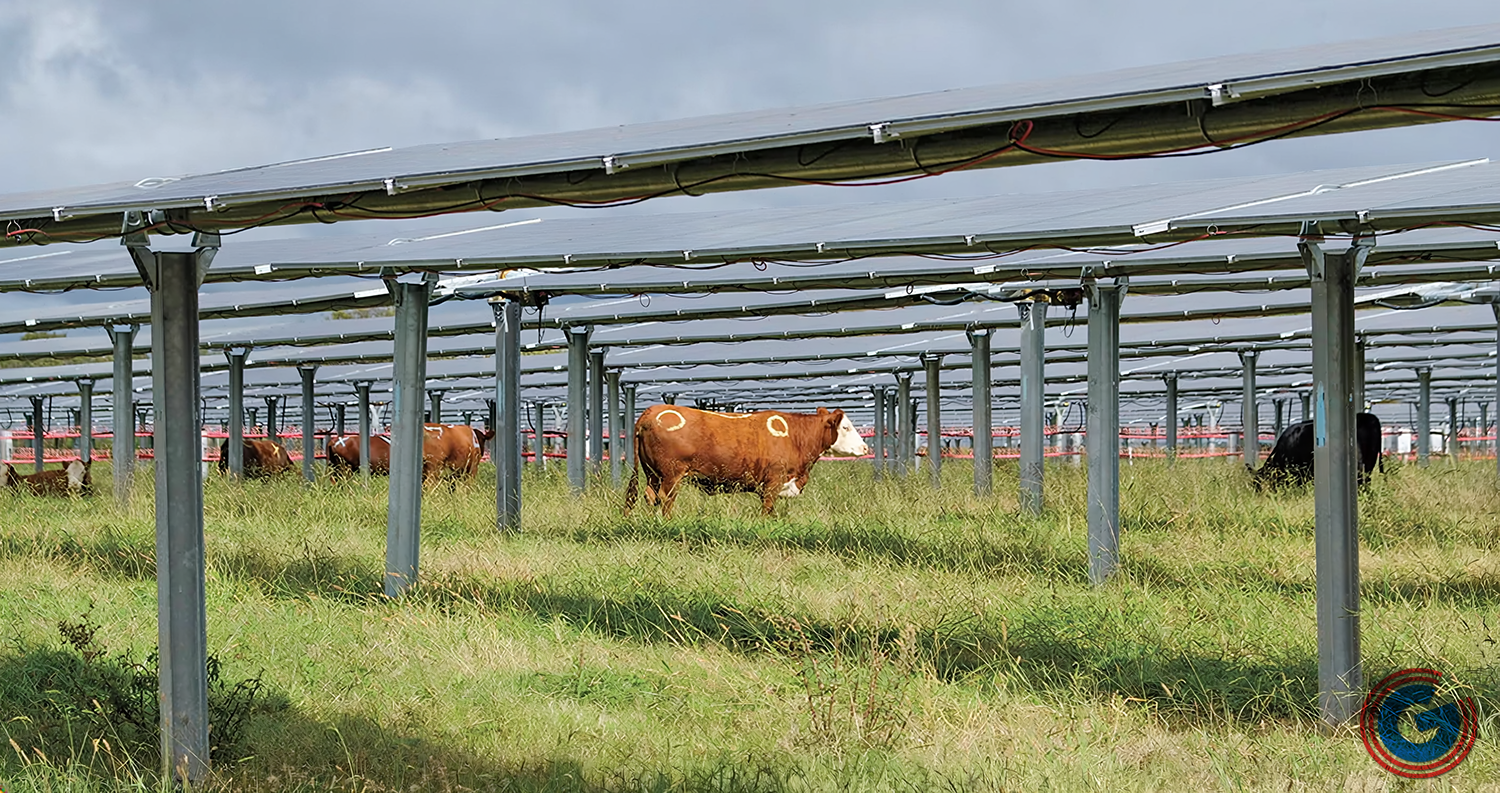
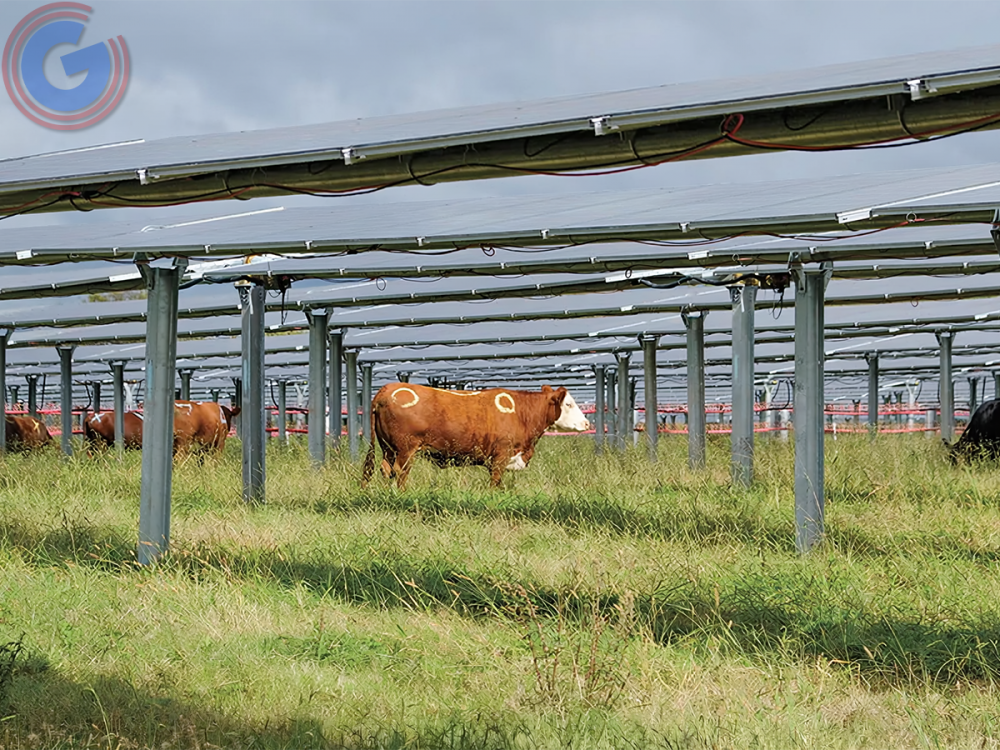
The “Cattle Tracker” system, a patented technology from Silicon Ranch, creates a symbiotic relationship between livestock and energy infrastructure. Unlike traditional solar farms, where panels sit low to the ground, these units are elevated and reinforced to withstand the size and strength of roaming cattle... Helping the cattle also extends the lifespan of the solar panels.
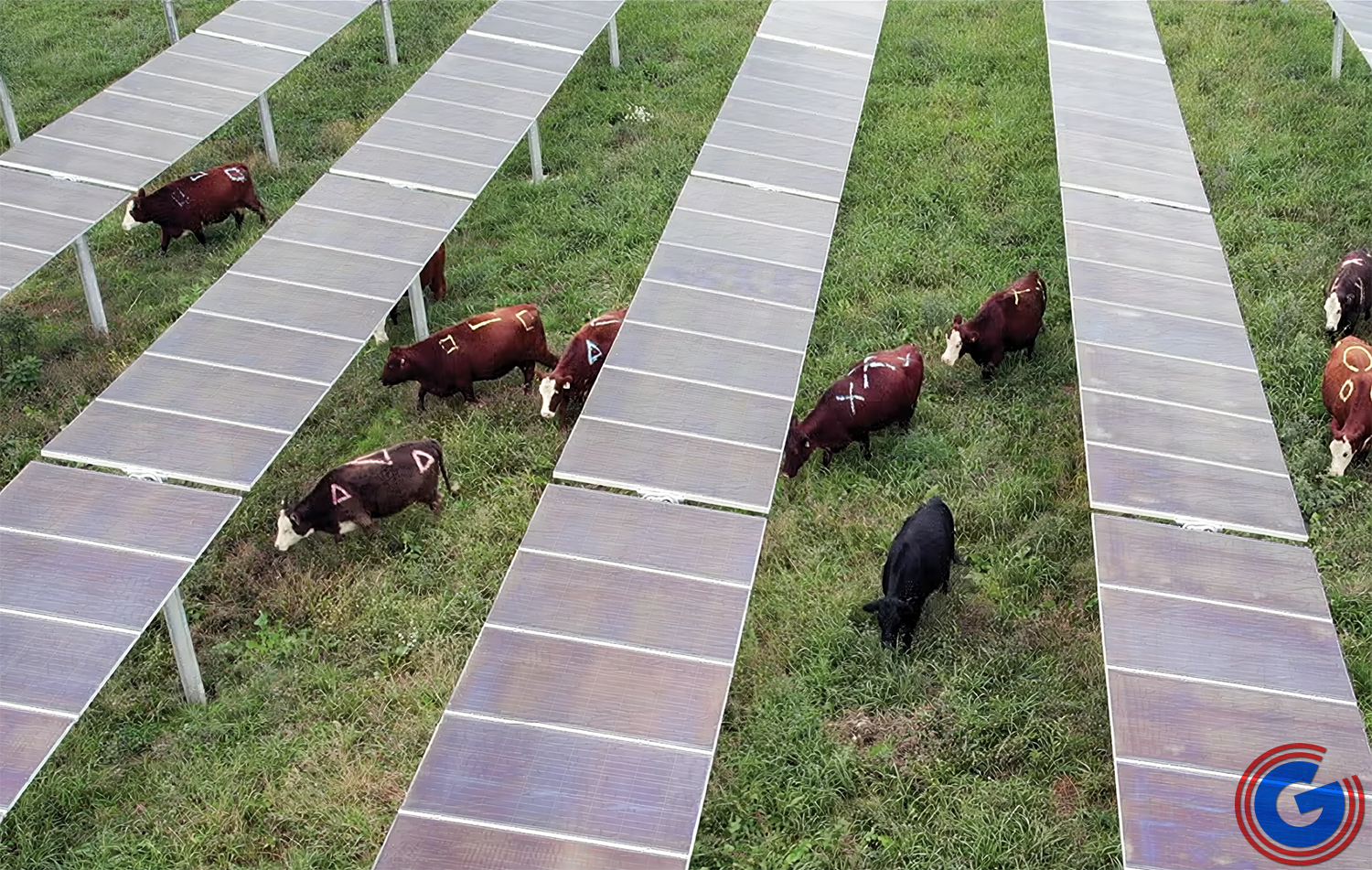
The glimmering panels at the Silicon Ranch site in Christiana are programmed to follow the sun but automatically level off when cattle move nearby. This mechanical adjustment provides shade for the animals during hot summer days while preventing direct contact with the panels, keeping the equipment protected from damage.

Using the same land to raise cattle and generate solar power creates a mutually beneficial arrangement. The panels help shield livestock from Tennessee’s intense summer heat while simultaneously harvesting energy to produce electricity.

As innovative concepts continue to emerge, changes in how Middle Tennessee powers the electrical grid are expected to become increasingly common. Overall, Byers told WGNS she is eager to measure the long-term impact of MTE’s partnership with Silicon Ranch...

If all goes according to plan, the solar farm could generate up to 7,200 megawatt hours of electricity annually. According to a previously released statement from Brandon Wagoner, MTE’s vice president of strategy execution and analytics, that amount of power is enough to offset the wholesale energy usage of approximately 500 residential homes each year.

This dual-use acreage model is part of a growing global trend. Research indicates that shaded grazing areas can improve the quality of certain forage grasses by retaining soil moisture, which can contribute to healthier livestock. For Middle Tennessee Electric, the initiative is as much about economic sustainability as it is environmental responsibility. By keeping the land in active agricultural use, the cooperative preserves the local tax base and agricultural heritage while also strengthening the grid against the threat of large-scale power outages.


ADVERTISEMENT