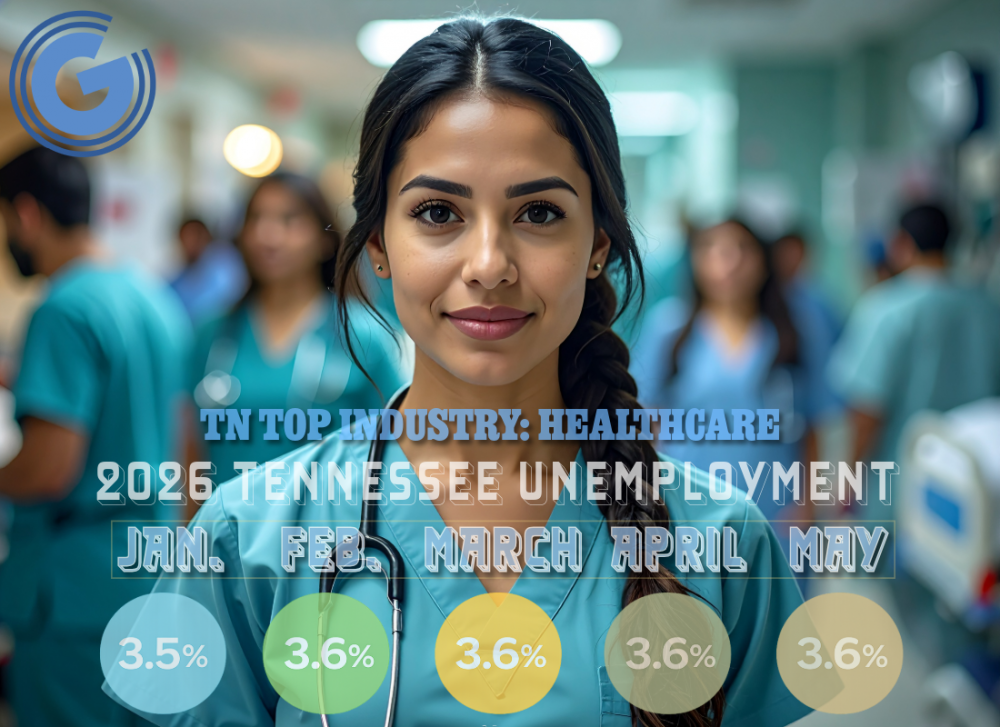
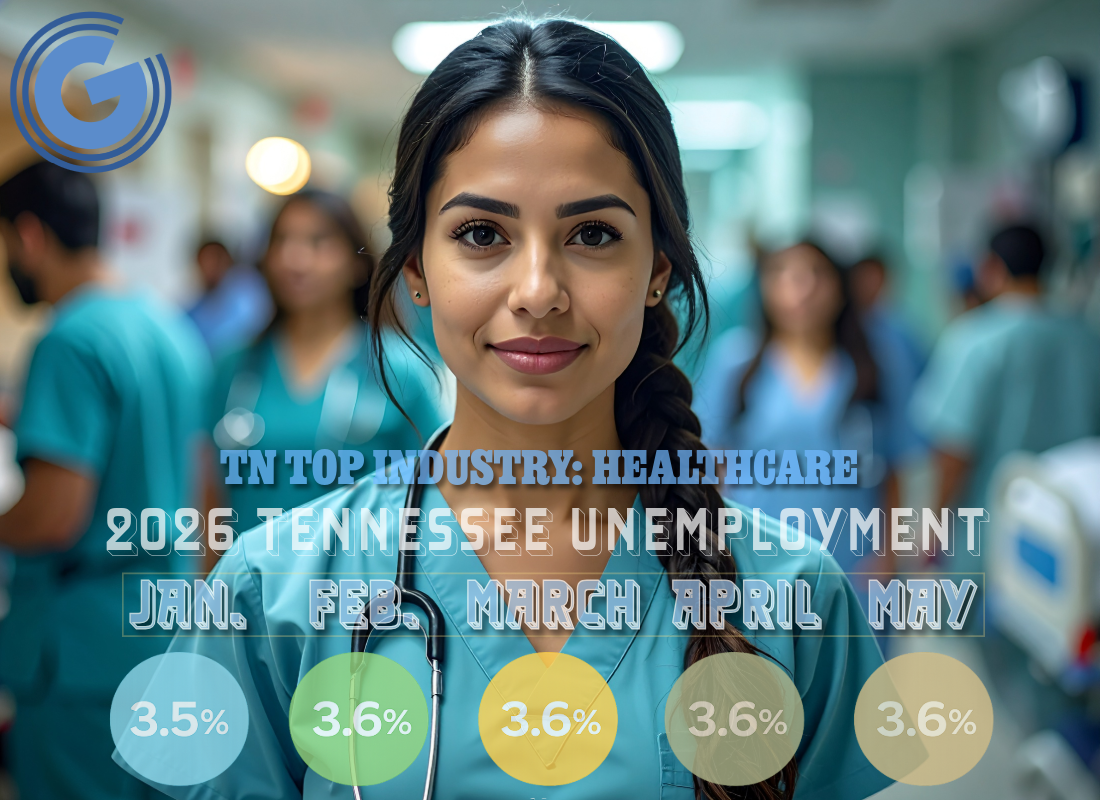
MURFREESBORO, Tenn. (WGNS News) -Tennessee’s job market continued to show stability in May, with the statewide unemployment rate holding at 3.6% for the fourth consecutive month, according to new data released by the Tennessee Department of Labor and Workforce Development. The number remains well below the national unemployment rate of 4.3%, highlighting Tennessee’s continued economic strength even as some industries face slower growth.

For people across Middle Tennessee, the latest numbers help answer an important question: What parts of the economy are still growing, and where are businesses pulling back?
.png)
The strongest hiring gains in Tennessee came from leisure and hospitality, durable goods manufacturing, and government jobs during the month of May. Over the course of the past year, the largest increases were tied to health care and social assistance, administrative support and waste services, and tourism-related industries.
That trend is especially important for Middle Tennessee, where healthcare systems, warehouses, restaurants, hotels, entertainment venues, and manufacturing plants continue to play a major role in local employment. Growth in hospitality and recreation jobs often reflects increased travel, tourism, concerts, sporting events, and restaurant traffic throughout the Nashville and Murfreesboro region.
The report showed Tennessee employers added approximately 5,700 nonfarm jobs between April and May, while the state gained about 8,000 jobs over the past year.
Healthcare remained one of the state’s strongest sectors. Hospitals added roughly 7,400 jobs year-over-year, while nursing and residential care facilities posted a 13% increase. Ambulatory healthcare services, which include doctors’ offices and outpatient clinics, also showed continued growth.

Those increases mirror what many residents across Rutherford County and Middle Tennessee have already been seeing firsthand — major healthcare expansion projects, increased hiring by medical providers, and growing demand tied to population growth.
Manufacturing produced mixed results. Durable goods manufacturing, which includes industries such as transportation equipment, machinery, and electronics, continued to gain jobs. Computer and electronic product manufacturing rose 5% over the year. However, non-durable goods manufacturing, including food production, plastics, paper products, and chemical manufacturing, saw declines.
Retail trade also softened over the year, with the report showing declines in several categories, including motor vehicle dealers and furniture-related retail businesses. Financial activities, including finance and insurance, also posted annual decreases.
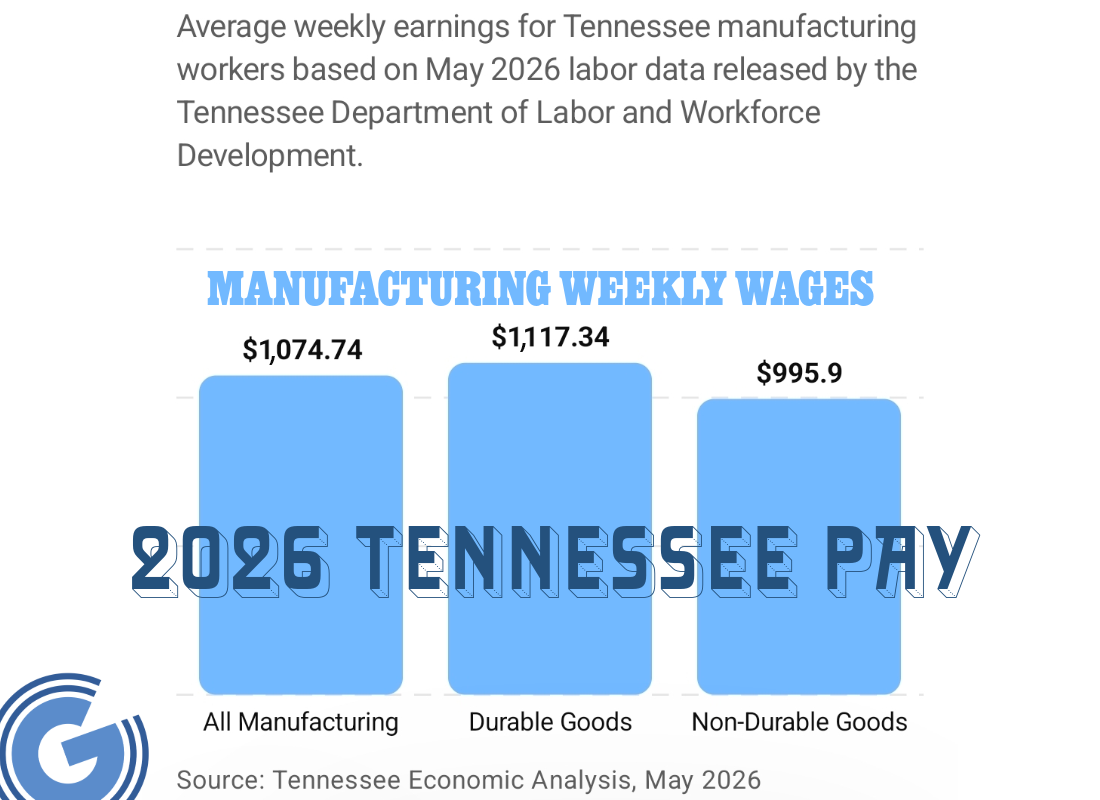
For workers wondering whether wages are improving, the state’s manufacturing sector continued to show relatively strong earnings. Tennessee manufacturing employees averaged more than $1,074 per week in May, with average hourly earnings near $24.65. Durable goods manufacturing workers averaged more than $25 per hour.
The data also revealed that Tennessee’s labor force participation rate remained at 59.6%, meaning slightly under 60% of working-age residents are either employed or actively looking for work.
Economists often watch that number closely because it can indicate whether people feel confident enough to enter the job market or whether employers are struggling to fill positions.
Another notable takeaway from the report is Tennessee’s continued ability to outperform the national unemployment average. While the U.S. unemployment rate has remained at 4.3%, Tennessee has stayed roughly seven-tenths of a percentage point lower.
State officials said industry and wage data can help Tennesseans make decisions about career paths, education, and training programs by identifying industries that offer long-term stability and stronger earning potential.
County-by-county unemployment numbers for all 95 Tennessee counties, including Rutherford, Davidson, Williamson, Wilson, Bedford, Coffee, Cannon, and Warren counties, are expected to be released June 25.
Additional details from the state’s May 2026 economic analysis are available through the Tennessee Department of Labor and Workforce Development.