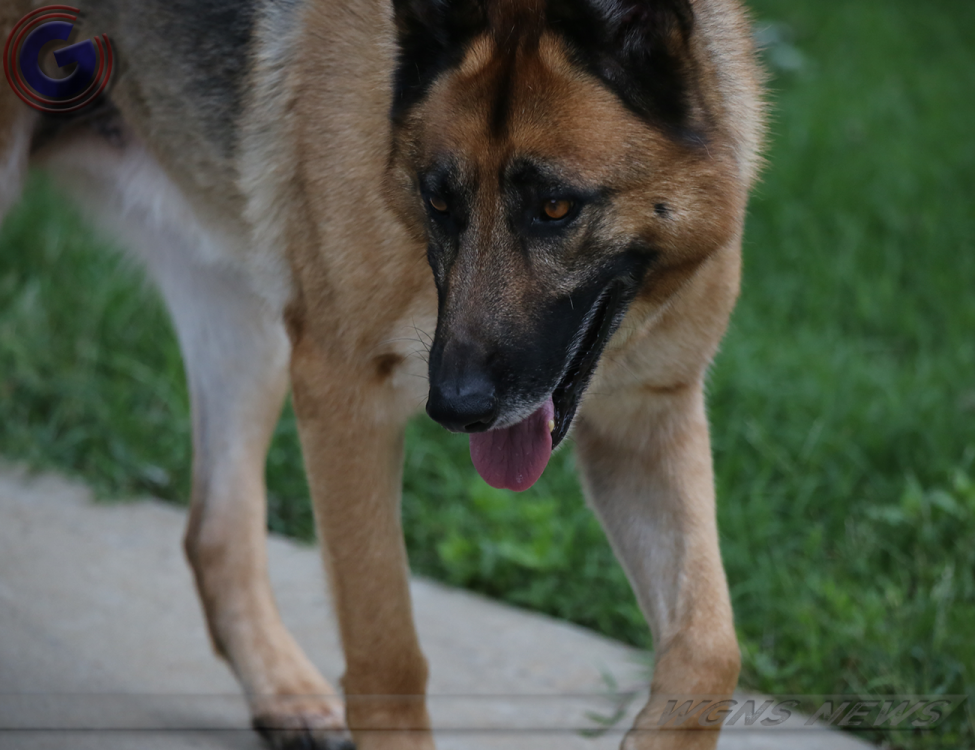

MURFREESBORO, Tenn. (WGNS News) - For the first time, the Rutherford County Opioid Board recently approved a grant for the Rutherford County Sheriff’s Office to purchase a new K9, adding another trained dog to the department’s efforts to locate illegal narcotics and assist deputies in the field.
Each dog costs about $14,000, which is roughly $2,000 to $4,000 more than what agencies paid for similarly trained K9s in years past... That was Captain James Davis, who confirmed, “That was the first time we wrote a grant for a K9.”
The Rutherford County Sheriff’s Office currently uses K9s as working partners for deputies, helping with drug detection, suspect apprehension and other law enforcement needs. For agencies across the country, the dogs are not simply pets with badges. They are highly trained animals that can detect narcotics, track suspects, search buildings and provide another layer of safety for deputies and the public.
Outside the scope of drug detection and the tracking of suspects, some K9s search for missing persons, while others are highly trained at detecting explosive devices.
While sheriff’s offices and police departments can find some K9s closer to home, many agencies prefer dogs that come from long, well-documented bloodlines overseas. In the United Kingdom, dog training has become both a livelihood and a tradition passed down through generations of families, making areas around London and other parts of the UK prominent locations in the world of law enforcement K9s.
Officials with the Surrey Police and Sussex Police Dog Training School in the United Kingdom have noted that UK-bred working dogs often possess elite pedigree genetics, sought-after temperaments and rigorous early socialization, which can command premium prices in the U.S. market. Many of those specialized animals are eventually flown into the United States, with California serving as one of the major ports of entry for law enforcement K9s coming into the country.
To give listeners an example of how valuable the animals are to law enforcement, RCSO Sgt. David Ashburn highlighted the work of just one of their K9s... Due to the positive work being done by local authorities to combat the opioid epidemic, one drug appears to be making a comeback... Methamphetamine is not an opioid and belongs in the class of stimulants.

That distinction is important because opioid settlement and abatement funds are generally focused on reducing the harm caused by opioids, including fentanyl, heroin and prescription painkiller abuse. However, law enforcement officers say drug trends often overlap, and the same networks that move one illegal substance may also be connected to others.
While the Rutherford County Opioid Board continues to remain focused, the front lines of the battle against meth look very different when compared to years past... Commercially manufactured meth is a very real problem today.
In previous decades, methamphetamine cases often involved small, dangerous, makeshift labs hidden in homes, vehicles, motel rooms or wooded areas. Today, authorities say much of the meth being found locally is commercially produced and transported in larger quantities, making interdiction efforts even more important.
WGNS asked Sgt. Ashburn how the meth is being delivered into communities like Rutherford County... Most people would be surprised at the amount of illegal drugs that are transported into Middle Tennessee by the pound daily through the postal service, FedEx and UPS.
The Sheriff’s Office says K9s continue to play a major role in identifying illegal narcotics before they reach neighborhoods, schools, workplaces and homes. The newly approved grant from the Rutherford County Opioid Board is expected to help the department expand that work without placing the full cost of the new K9 directly on the department’s regular operating budget.
The Rutherford County Opioid Board was created to help oversee the local use of opioid abatement funds connected to national opioid lawsuit settlements. Those dollars are intended to support efforts that address the opioid crisis through prevention, treatment, recovery, enforcement support and other approved community-based strategies.

For the Sheriff’s Office, the new K9 represents another tool in a larger public-safety effort. Deputies say the work is not limited to making arrests, but also includes intercepting dangerous drugs before they can contribute to addiction, overdose deaths and other crimes tied to substance abuse in Rutherford County.
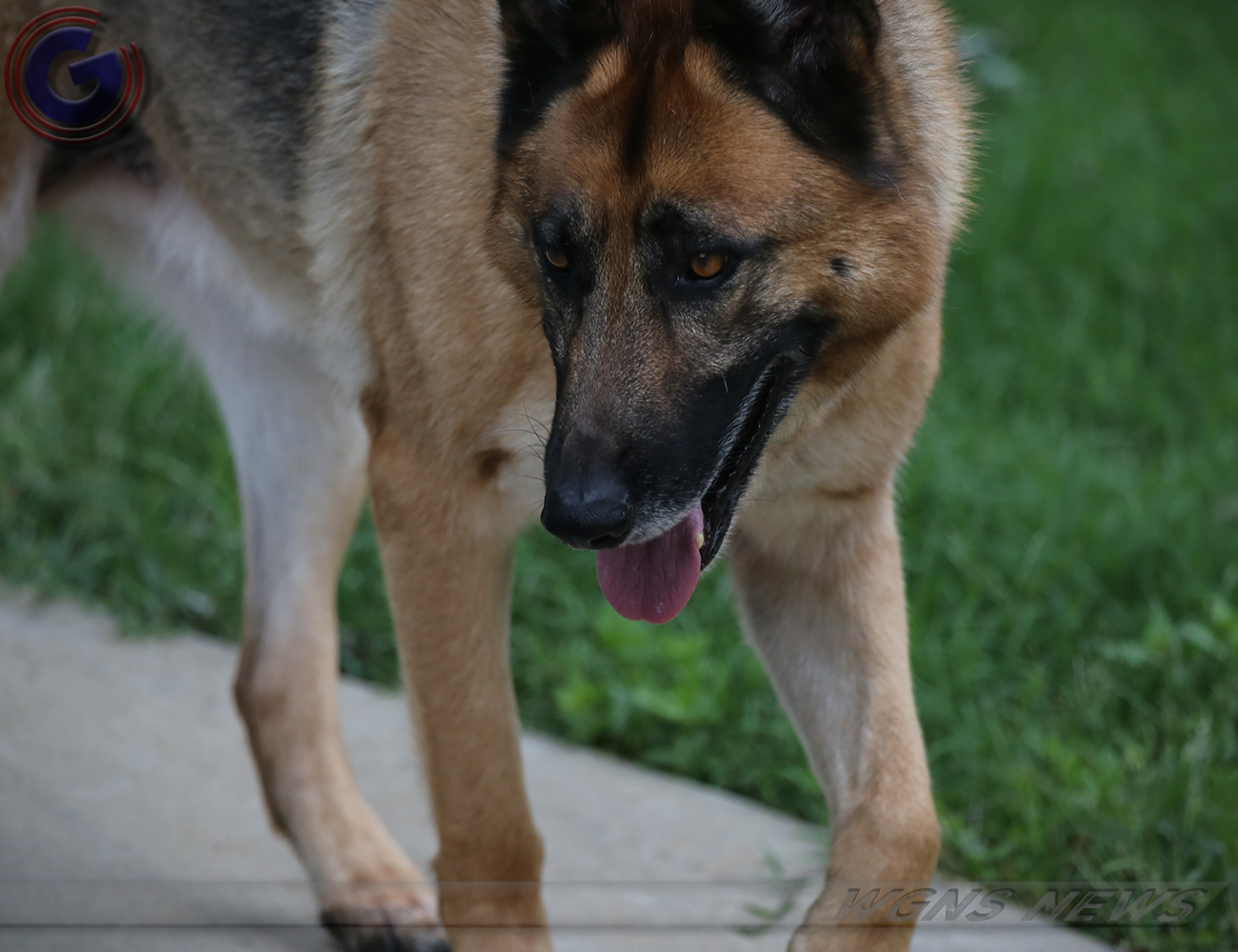
RUTHERFORD COUNTY OPIOID BOARD: The Rutherford Opioid Board was established in 2022 after Rutherford County, like other Tennessee counties, began receiving opioid abatement funds from national lawsuit settlements involving pharmaceutical distributors and a manufacturer. The board was created to oversee the strategic use of those settlement dollars locally, with the goal of repairing and strengthening the community response to opioid addiction, overdose deaths, prevention, treatment and recovery. Rutherford County is expected to receive nearly $4.5 million in opioid abatement funds from 2023 through 2026, and the board helps guide how those dollars are distributed to community and government organizations that apply for funding to address opioid use disorder and related needs. The effort is tied to Tennessee’s broader Opioid Abatement Council, which was created by the Tennessee General Assembly to oversee settlement funds statewide and ensure the money is used for approved opioid-abatement purposes, including prevention, treatment, recovery support and reducing overdose deaths.
- Hear the full PODCAST regarding the Rutherford County Sheriff's Office K9 unit and learn more details about the use of K9's locally by listening to the full interview from WGNS HERE.